

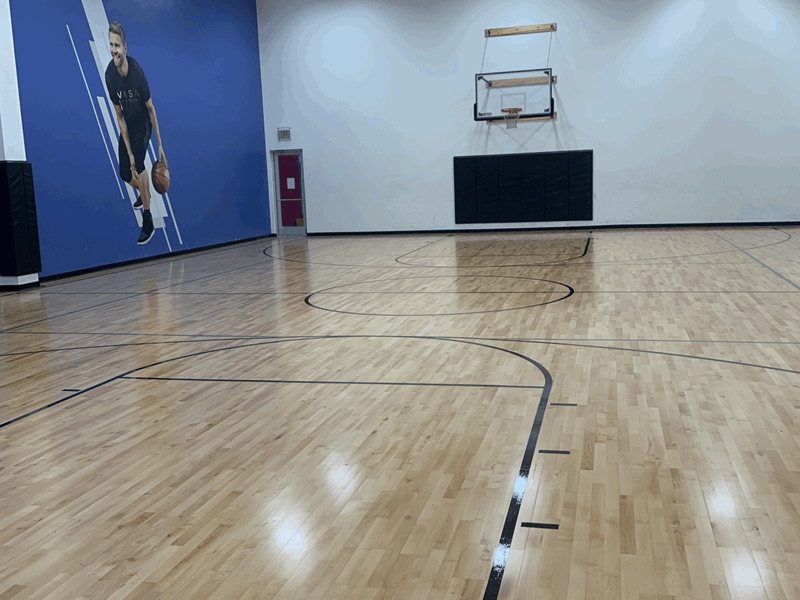
Acoustics play a significant role in the performance of sports wood flooring, influencing not only the experience of athletes but also that of spectators. A well-designed acoustic environment can enhance communication, reduce distractions, and create a more immersive and enjoyable experience for all.
Sports wood flooring contributes to the acoustic properties of a venue through its natural sound-absorbing and reflecting characteristics. The choice of wood species, finish, and construction method can all influence the floor's acoustic performance. For example, a floor with a porous finish may absorb more sound, reducing echo and reverberation, while a smooth, hard finish may reflect more sound, enhancing clarity and intelligibility.
In addition to the floor itself, the overall acoustic design of the venue, including the placement of sound-absorbing materials, the shape of the space, and the use of acoustic panels or baffles, can further optimize the acoustic environment.
In conclusion, acoustics are an important consideration in the design and selection of sports wood flooring, with the potential to significantly enhance the performance and experience of athletes and spectators alike.
Leave a Reply