

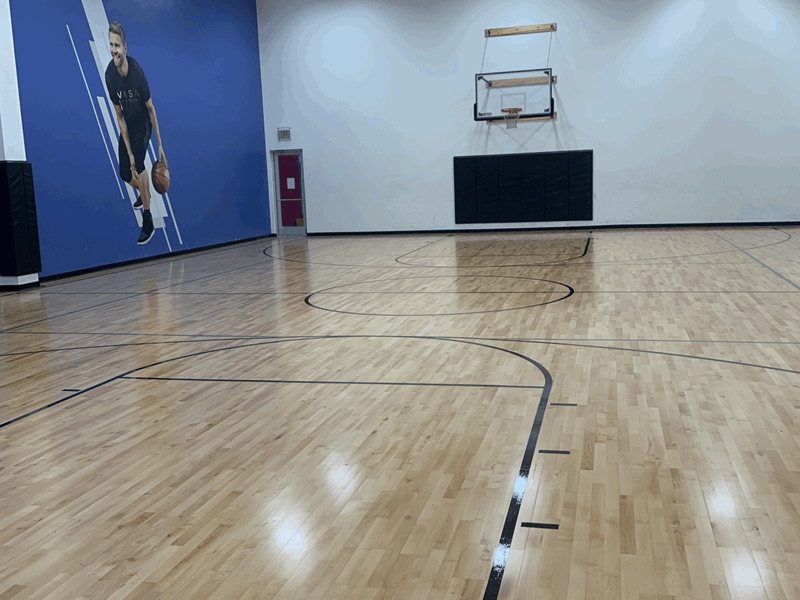
The history of sports wood flooring is a fascinating journey that spans centuries and continents, reflecting the evolution of sports and human ingenuity.
In ancient times, sports were often played on natural surfaces like dirt or grass. However, as organized sports emerged, the need for more durable and consistent playing areas became apparent. Early wooden floors, used in ancient Greece and Rome, were simple planks laid over dirt or stone foundations. These floors were rudimentary but marked the beginning of sports-specific flooring.
The Middle Ages saw little progress in sports flooring, as physical activities were often limited to military training or informal games. It wasn’t until the Renaissance that sports began to regain popularity, leading to the construction of dedicated indoor arenas in Europe. These venues featured wooden floors, though they were still basic compared to modern standards.
The 19th and 20th centuries brought significant advancements. The invention of parquet flooring in the 1800s provided a more elegant and durable surface for ballroom dancing and early sports like indoor tennis. By the mid-20th century, multi-layered wooden floors with shock-absorbing substructures became the norm, revolutionizing sports like basketball and volleyball.
Today, sports wood flooring is a high-tech marvel, combining advanced materials and engineering to create surfaces that enhance performance, safety, and aesthetics. From ancient planks to modern masterpieces, the evolution of sports wood flooring is a testament to human innovation and the enduring appeal of sports.
Leave a Reply