

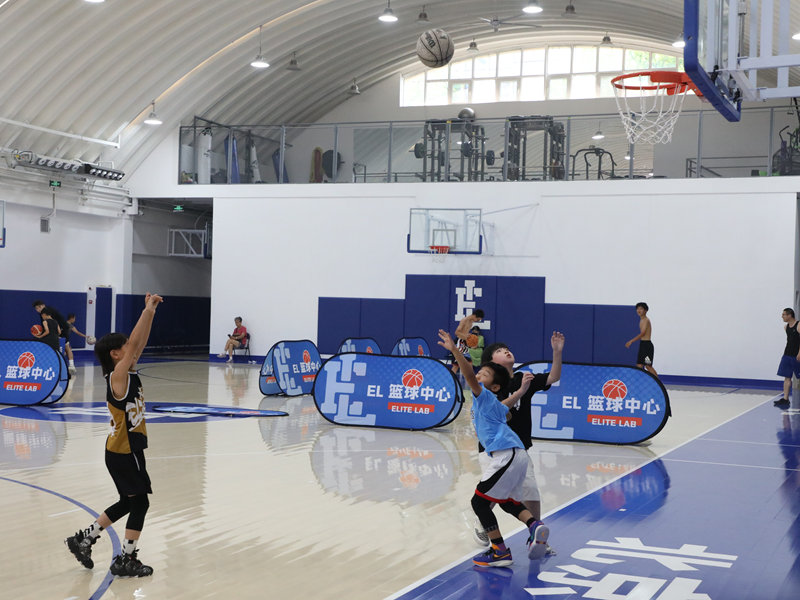
The future of indoor sports wood flooring is bright, with numerous trends and innovations on the horizon that promise to enhance its performance, sustainability, and aesthetic appeal. This article discusses some of the key trends and innovations that are shaping the future of indoor sports wood flooring.
Self-Healing Materials
One of the most exciting innovations in indoor sports wood flooring is the development of self-healing materials. These materials are designed to repair minor scratches and dents automatically, reducing the need for frequent refinishing or repairs. Self-healing wood floors could revolutionize the maintenance and longevity of athletic facilities, saving time and money in the long run.
Advanced Coatings and Finishes
Advancements in coatings and finishes are also driving the future of indoor sports wood flooring. New coatings are being developed that provide superior slip resistance, durability, and chemical resistance. Additionally, some coatings are designed to be more environmentally friendly, emitting fewer VOCs and using sustainable raw materials. These advanced coatings can enhance the performance and sustainability of wood floors, making them an even more attractive option for athletic facilities.
Integration of Smart Technologies
As mentioned earlier, smart technologies are beginning to make their way into indoor sports wood flooring. In the future, we can expect to see more floors equipped with sensors that monitor the floor's condition, such as temperature, humidity, and wear levels. These sensors can provide real-time data to facility managers, allowing them to proactively address any issues before they become major problems. Additionally, interactive elements such as LED lighting or touch-sensitive surfaces could enhance the overall sports experience, creating a more immersive and engaging environment for athletes and spectators.
Sustainable Production and Recycling Practices
Sustainability will continue to be a key focus in the future of indoor sports wood flooring. Manufacturers will increasingly adopt sustainable production practices, such as using renewable energy sources and low-VOC materials, to reduce their environmental impact. Additionally, recycling and repurposing programs will become more widespread, ensuring that wood floors are disposed of responsibly at the end of their lifespan. These sustainable practices will help protect the environment and promote a more circular economy in the athletic facility industry.
In conclusion, indoor sports wood flooring offers a multitude of benefits for athletic facilities, from its performance-enhancing properties to its aesthetic appeal and sustainability. As technology continues to advance, we can expect to see even more innovative and exciting developments in this field, further solidifying wood flooring's position as the premier choice for indoor sports surfaces.
Leave a Reply