

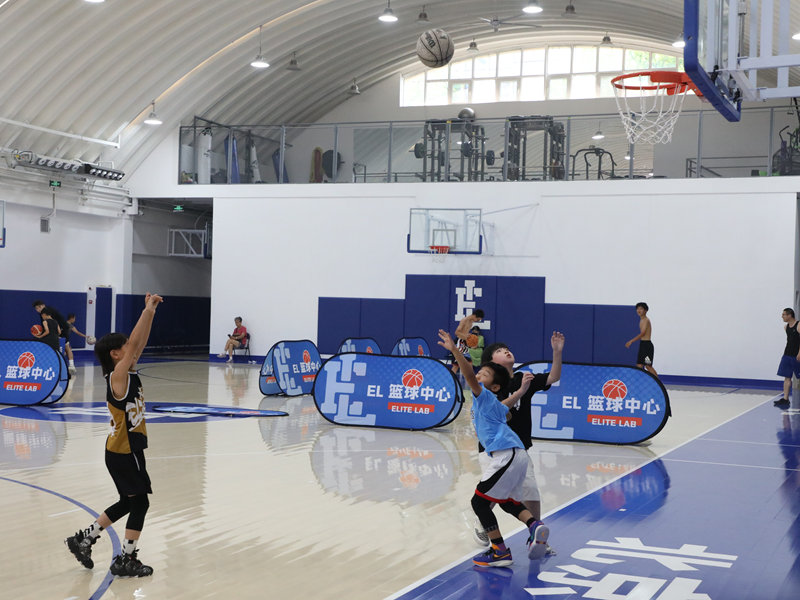
The future of indoor sports wood flooring is bright, with ongoing advancements in materials science, engineering, and sustainability driving the development of new and improved flooring systems. As sports continue to evolve and athletes demand higher levels of performance and safety, manufacturers are responding with innovative solutions that push the boundaries of what is possible with wood flooring.
One of the most exciting trends in indoor sports wood flooring is the integration of smart technology. Smart flooring systems are equipped with sensors and embedded electronics that can monitor various aspects of the playing environment, such as temperature, humidity, and impact forces. This data can be used to optimize the floor’s performance, ensuring that it provides the ideal level of shock absorption and traction for different sports and playing conditions. Additionally, smart flooring can alert facility managers to potential issues, such as moisture damage or uneven wear, allowing them to take proactive measures to prevent further damage and extend the floor’s lifespan.
Another emerging trend in indoor sports wood flooring is the use of sustainable and eco-friendly materials. As consumers become more environmentally conscious, manufacturers are increasingly turning to renewable resources and recycled materials to create their flooring systems. For example, some companies are now using bamboo, a fast-growing and highly renewable resource, as an alternative to traditional hardwoods. Others are incorporating recycled rubber or plastic into their underlayment or top layers, reducing waste and minimizing the environmental impact of their products.
In addition to smart technology and sustainability, the future of indoor sports wood flooring also lies in customization and personalization. With advances in manufacturing techniques, it is now possible to create flooring systems that are tailored to the specific needs and preferences of individual sports facilities. This includes custom colors, logos, and patterns, as well as flooring systems that are designed to accommodate specific sports or playing styles. For example, a basketball court might feature a different type of wood or finish than a volleyball court, depending on the unique demands of each sport.
Finally, the future of indoor sports wood flooring is also shaped by ongoing research and development efforts aimed at improving the floor’s performance and safety. Scientists and engineers are constantly exploring new materials and construction methods that can enhance the floor’s shock-absorbing properties, traction, and durability. Additionally, they are working to develop new finishes and coatings that can provide better protection against moisture, scratches, and other forms of damage.
In summary, the future of indoor sports wood flooring is characterized by innovation, sustainability, and customization. As sports continue to evolve and athletes demand higher levels of performance and safety, manufacturers will continue to push the boundaries of what is possible with wood flooring, creating surfaces that are not only functional and durable but also visually stunning and environmentally friendly.
Leave a Reply