

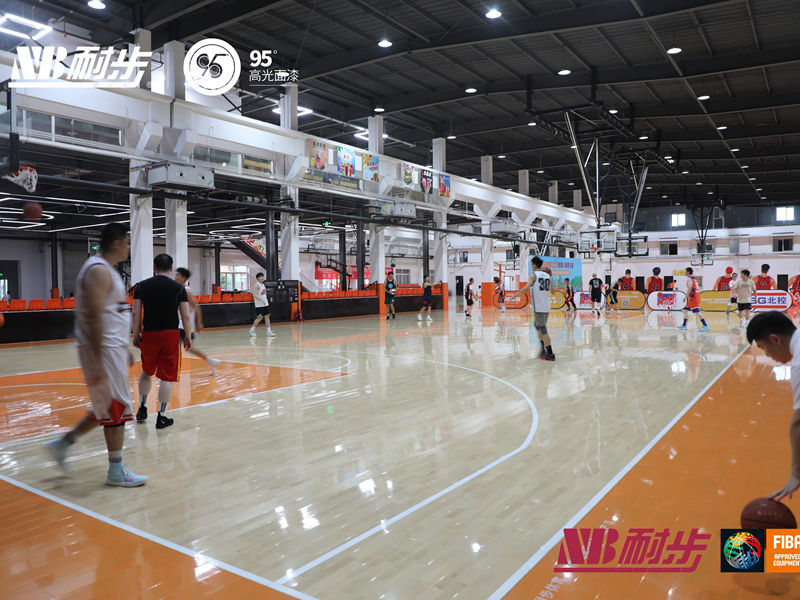
The history of wood flooring in indoor basketball courts is a fascinating journey that spans several decades and reflects the evolution of the sport itself. From humble beginnings to the state-of-the-art facilities we see today, the development of wooden basketball floors has been driven by a combination of technological advancements, changing athletic needs, and aesthetic preferences.
In the early days of basketball, indoor courts were often constructed with simple, unfinished wooden planks. These floors were functional but lacked the durability and performance characteristics of modern wooden floors. They were prone to warping, splitting, and cracking, especially in areas with high humidity or temperature fluctuations. Additionally, the lack of a proper finish meant that the floors offered little in terms of traction or shock absorption, making them less than ideal for athletic activity.
As basketball grew in popularity and became more competitive, the need for better flooring became apparent. Manufacturers began experimenting with different types of wood, finishes, and construction techniques to create floors that were more durable, resilient, and performance-oriented. One of the key breakthroughs was the development of multi-layered wooden floors, which consist of several layers of wood bonded together with adhesive. This construction method provides increased stability and strength, making the floors less susceptible to damage from heavy use.
Another important advancement was the introduction of specialized finishes for wooden basketball floors. These finishes are designed to enhance traction, reduce glare, and protect the wood from scratches and stains. They also help to seal the wood, preventing moisture from penetrating and causing damage. Today's finishes are often water-based and low in volatile organic compounds (VOCs), making them more environmentally friendly and safer for athletes and spectators.
In addition to technological advancements, the evolution of wood flooring in indoor basketball courts has also been influenced by changing athletic needs. As athletes have become stronger, faster, and more agile, the demands on the flooring have increased. Modern wooden floors are designed to withstand the impact of high-intensity jumps, cuts, and pivots, providing a safe and stable surface for athletes to perform on. They also offer excellent sound absorption, reducing noise levels and creating a more enjoyable playing experience.
Finally, aesthetic preferences have also played a role in the evolution of wooden basketball floors. Today's facility owners and designers have a wide range of options when it comes to choosing the color, texture, and pattern of their wooden floors. They can select from a variety of wood species, each with its unique grain pattern and color tone, to create a floor that complements the overall design of the facility. Additionally, custom logos and graphics can be incorporated into the floor design, adding a personalized touch and enhancing the brand identity of the team or organization.
In conclusion, the evolution of wood flooring in indoor basketball courts has been a remarkable journey that has seen significant advancements in technology, performance, and aesthetics. Today's wooden floors are more durable, resilient, and performance-oriented than ever before, providing athletes with a safe and stable surface to play on while also enhancing the overall look and feel of the facility.
Leave a Reply