

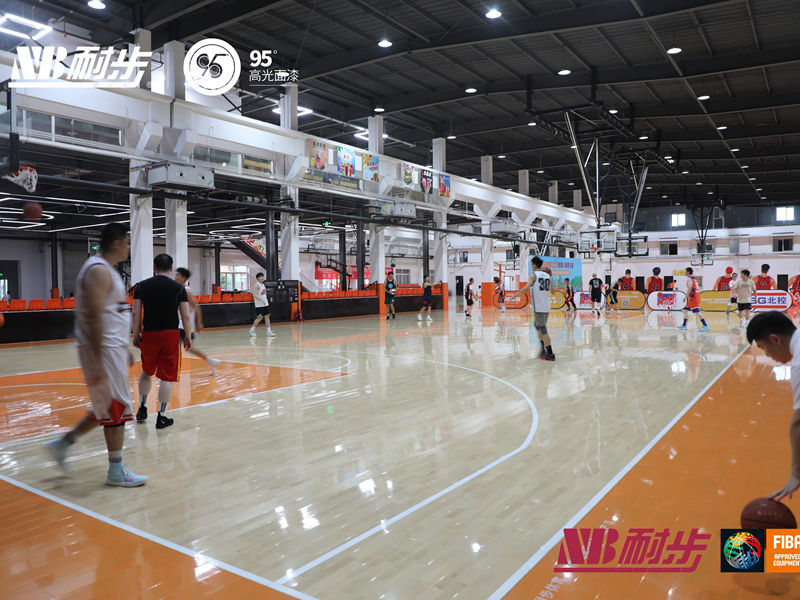
The history of wood flooring in indoor basketball courts is a fascinating journey that reflects the evolution of sports technology and design. From humble beginnings to the sophisticated systems we see today, wood flooring has undergone significant transformations to meet the ever-increasing demands of the sport.
In the early days of basketball, indoor courts were often constructed with simple wooden planks laid directly on the ground. While these floors provided a basic playing surface, they lacked the shock absorption and traction needed for high-level competition. As the sport grew in popularity, so did the need for better flooring solutions.
The introduction of suspended wood flooring systems marked a major milestone in the evolution of indoor basketball courts. These systems feature a series of shock-absorbing pads or springs that elevate the wood planks above the ground, creating a more resilient and responsive surface. This innovation not only improved player safety but also enhanced the overall playing experience by reducing fatigue and allowing for more explosive movements.
Over time, wood flooring technology continued to advance, with the development of multi-layer systems that incorporate different materials for optimal performance. These systems often include a base layer of rubber or foam for shock absorption, a middle layer of plywood for stability, and a top layer of hardwood for durability and traction. The result is a flooring solution that meets the rigorous standards of professional basketball while providing a comfortable and safe environment for players of all levels.
Today, wood flooring remains the gold standard for indoor basketball courts, thanks to its rich history of innovation and continuous improvement. As the sport continues to evolve, so too will the technology behind its flooring, ensuring that athletes can always enjoy the best possible playing experience.
Leave a Reply