

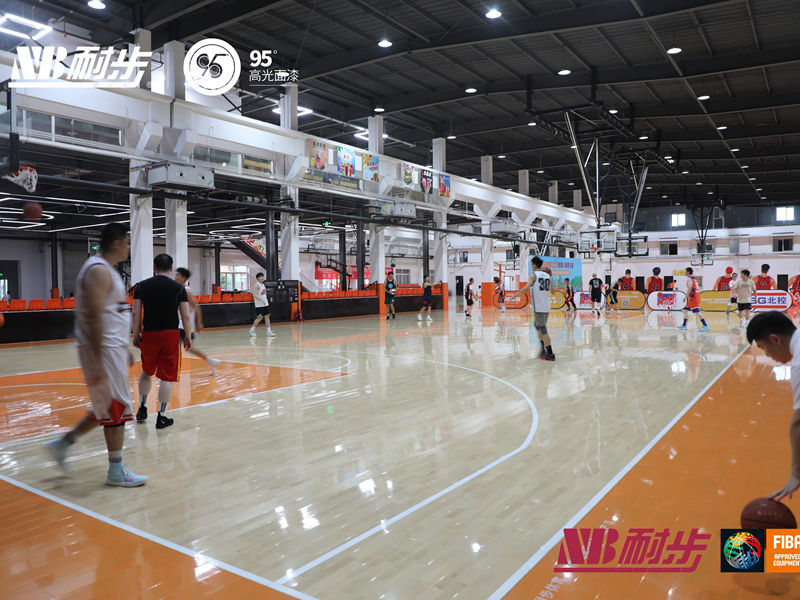
Sports wood flooring has come a long way since its inception, evolving from simple wooden planks to sophisticated, high-performance surfaces designed to meet the demands of modern athletes. This evolution has been driven by advancements in technology, changes in sports regulations, and a growing emphasis on athlete safety and performance. In this article, we will trace the history of sports wood flooring and explore how it has transformed over the years.
Early Days: Simple Wooden Planks
In the early days of sports, wooden planks were the go-to choice for flooring gymnasiums and arenas. These planks were often made from locally sourced wood, such as pine or oak, and were laid directly onto the ground or a simple subfloor. While these floors provided a basic playing surface, they lacked the shock absorption and durability needed for high-impact sports.
The Rise of Maple Flooring
As sports became more competitive and the demand for better playing surfaces grew, maple emerged as the preferred choice for sports wood flooring. Maple's exceptional hardness, durability, and shock-absorbing properties made it ideal for basketball courts and other high-impact sports. The introduction of maple flooring marked a significant improvement in athlete safety and performance, as it reduced the risk of injuries and allowed athletes to play longer without fatigue.
Advancements in Subfloor Systems
While maple flooring provided a superior playing surface, the subfloor system beneath it also played a crucial role in enhancing performance and safety. Early subfloors were often simple concrete slabs or wooden joists, which offered limited shock absorption. Over time, advancements in subfloor technology led to the development of more sophisticated systems, such as floating subfloors and resilient systems. These subfloors provided additional shock absorption and stability, further improving the performance and safety of sports wood flooring.
The Introduction of Engineered Wood Flooring
In recent years, engineered wood flooring has emerged as a popular alternative to traditional solid wood flooring. Engineered wood combines layers of real wood with a plywood or HDF core, offering enhanced stability and resistance to warping. This makes it an excellent choice for areas with fluctuating humidity levels, such as indoor swimming pools or areas with poor ventilation. Engineered wood flooring also offers a wider range of design options, allowing facilities to customize their floors to match their branding or aesthetic preferences.
Modern Innovations: Smart Flooring and Beyond
The latest innovation in sports wood flooring is the development of smart flooring systems. These systems incorporate sensors and other technologies to monitor athlete performance, track movement patterns, and provide real-time feedback. Smart flooring can help coaches and trainers optimize training programs, identify potential injury risks, and improve overall athlete performance. While still in its infancy, smart flooring has the potential to revolutionize the way we think about sports flooring and athlete training.
In conclusion, the evolution of sports wood flooring has been driven by a combination of technological advancements, changes in sports regulations, and a growing emphasis on athlete safety and performance. From simple wooden planks to sophisticated smart flooring systems, sports wood flooring has come a long way in ensuring that athletes have the best possible playing surface to perform at their best.
Leave a Reply