

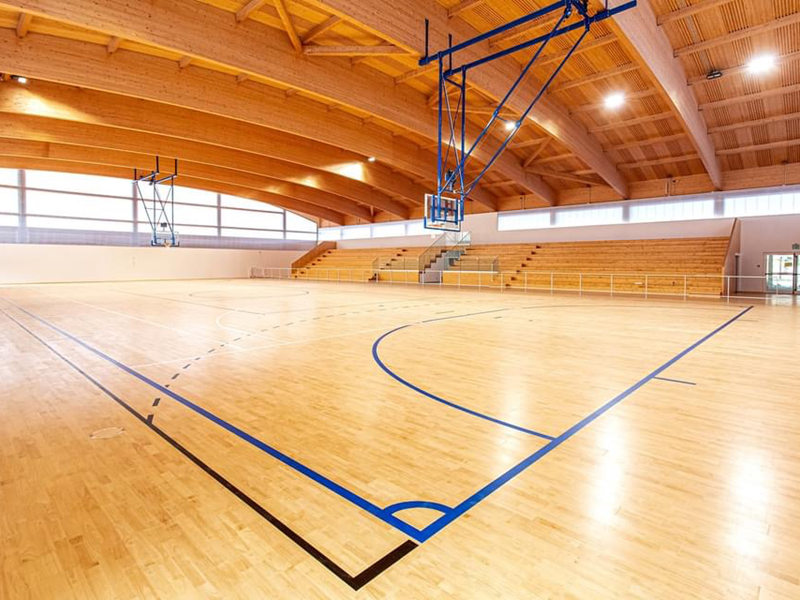
Sports wood flooring has undergone a remarkable transformation over the years, evolving from simple wooden planks to sophisticated, high-performance surfaces designed to meet the rigorous demands of modern sports. Traditionally, sports facilities relied on basic wooden floors, which, while durable, often lacked the necessary shock absorption and grip required for high-intensity activities. As sports grew in popularity and competitive levels increased, the need for better flooring solutions became evident.
The modern era has seen the introduction of advanced materials and construction techniques, resulting in sports wood flooring that offers superior performance, safety, and aesthetics. Multi-layered systems, incorporating shock-absorbing underlays and specialized finishes, have become standard. These floors not only enhance athletic performance by providing optimal traction and reducing fatigue but also minimize the risk of injuries by absorbing impact forces.
Furthermore, technological advancements have enabled the customization of sports wood to suit specific sports requirements. For instance, basketball courts now feature floors with enhanced grip and bounce, while volleyball courts prioritize shock absorption to protect players' joints. The integration of sustainable materials and eco-friendly manufacturing processes has also made sports wood flooring more environmentally conscious, appealing to a growing number of eco-aware consumers.
In conclusion, the evolution of sports wood flooring reflects the broader trends in sports technology and design. From humble beginnings to cutting-edge innovations, sports wood flooring continues to play a vital role in enhancing athletic performance and ensuring player safety, making it an indispensable component of modern sports facilities.
Leave a Reply