

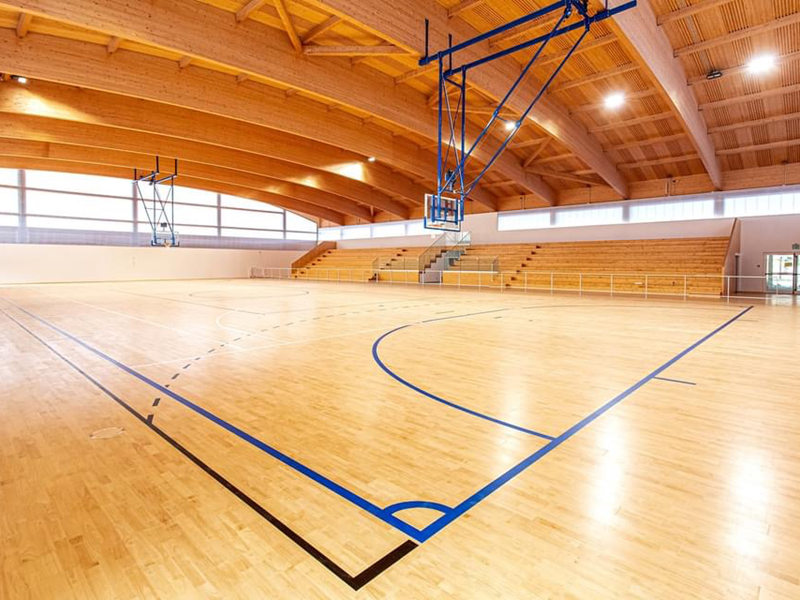
Sports wood flooring has undergone a remarkable transformation over the centuries, evolving from simple wooden planks to sophisticated, high-performance systems designed to meet the rigorous demands of modern athletics. Early sports floors, often made from locally sourced timber, were rudimentary and lacked the shock absorption and resilience required for high-impact activities. However, as sports gained popularity and scientific understanding of biomechanics improved, the need for specialized flooring became evident.
The mid-20th century marked a turning point with the introduction of multi-layered wooden floors featuring spring-loaded substructures. These innovations significantly enhanced safety and performance by reducing fatigue and minimizing the risk of injuries. Today, advanced sports wood flooring incorporates cutting-edge materials such as rubber shock pads, fiberglass-reinforced plywood, and moisture-resistant finishes. These systems are engineered to provide optimal grip, energy return, and durability, catering to diverse sports like basketball, volleyball, and gymnastics.
Modern sports wood flooring also prioritizes sustainability. Many manufacturers now use responsibly sourced timber and eco-friendly adhesives, ensuring minimal environmental impact. Additionally, modular designs allow for easy repairs and replacements, extending the lifespan of the flooring while reducing waste. As technology continues to advance, sports wood flooring will likely integrate smart sensors to monitor usage patterns and structural integrity, further revolutionizing the industry.
Leave a Reply