

Introduction
Sports flooring has undergone a remarkable transformation over the years, evolving from basic wooden planks to sophisticated, high-performance surfaces designed to enhance athletic performance and safety. This evolution reflects advancements in materials science, engineering, and an increasing understanding of biomechanics and ergonomics in sports.
Historical Perspective
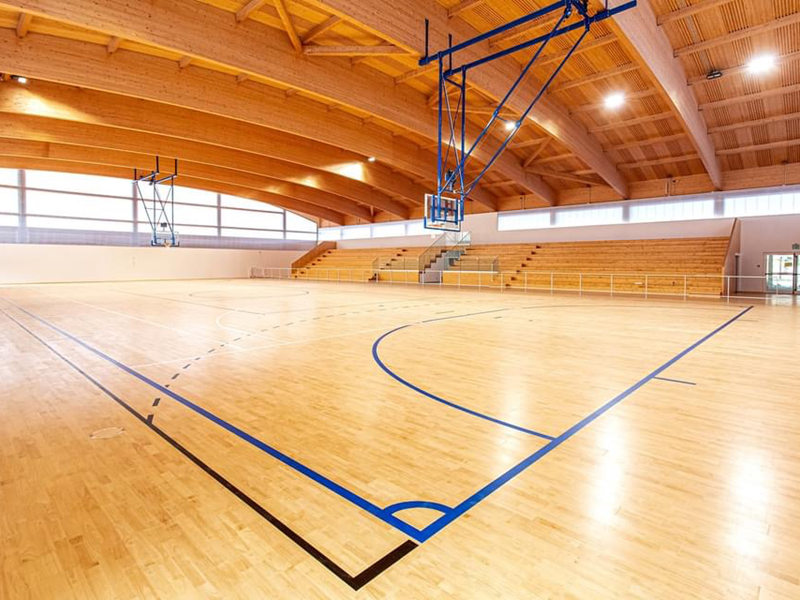
Traditionally, sports floors were made of hardwood, such as maple or oak, which provided a durable yet somewhat unforgiving surface. These floors were common in basketball courts and gymnasiums, offering a smooth playing area but lacking in shock absorption and energy return. Over time, the limitations of hardwood became apparent, leading to the development of alternative materials.
Modern Materials and Technologies
Today, sports flooring incorporates a variety of materials, including synthetic polymers, rubber, and composite materials. These modern solutions offer superior shock absorption, reducing the risk of injuries such as shin splints and joint pain. They also provide better energy return, allowing athletes to perform at their peak without unnecessary fatigue. Additionally, advancements in surface texture and grip have improved traction, minimizing slips and falls.
Sustainability and Environmental Considerations
In recent years, there has been a growing emphasis on sustainability in sports flooring. Manufacturers are now using recycled materials and eco-friendly production processes to reduce their environmental footprint. Some floors are even designed to be recyclable at the end of their lifecycle, further contributing to a circular economy.
Conclusion
The evolution of sports flooring from traditional hardwood to modern, high-performance surfaces represents a significant leap forward in athletic safety and performance. As technology continues to advance, we can expect even more innovative solutions that cater to the diverse needs of athletes across various sports.
Leave a Reply