

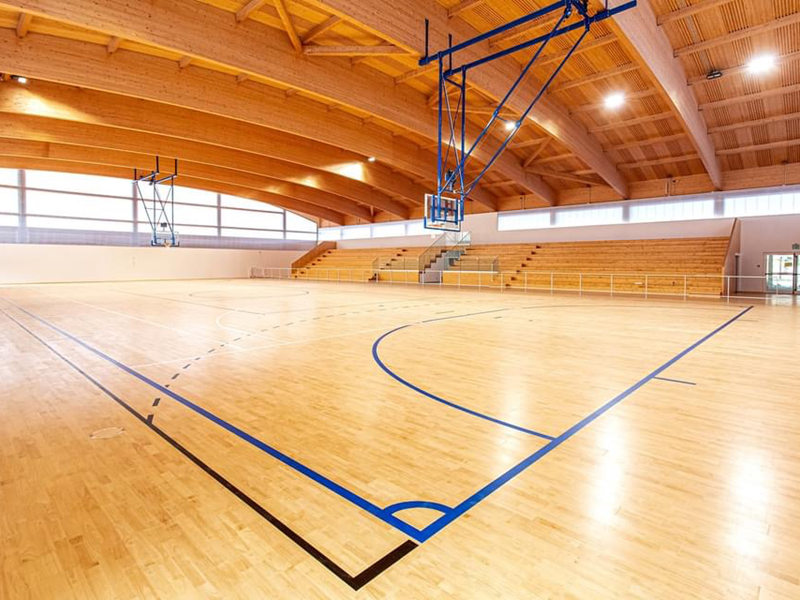
Sports flooring has come a long way from its humble beginnings as simple wooden planks or concrete slabs. Over the years, technological advancements and a deeper understanding of athletic performance and safety have driven the development of high-performance sports flooring solutions. Today, sports flooring is designed to enhance athletic performance, reduce the risk of injuries, and provide a durable and aesthetically pleasing surface for a wide range of sports activities.
The earliest sports floors were often made of wood, which provided a relatively smooth and even surface for activities like basketball and volleyball. However, wooden floors had their limitations, including susceptibility to moisture damage, warping, and the need for frequent maintenance. As sports became more competitive and the demand for safer playing surfaces grew, manufacturers began experimenting with new materials and construction techniques.
Modern sports flooring solutions now include a variety of materials, such as synthetic rubber, vinyl, and polyurethane, each offering unique benefits in terms of durability, shock absorption, and traction. These materials are often combined with advanced underlayment systems to provide optimal cushioning and support for athletes. Additionally, sports flooring is now designed with specific sports in mind, ensuring that each surface meets the unique demands of the game.
For example, basketball courts require a floor that provides excellent traction and shock absorption to reduce the risk of slips and falls, while also allowing for quick and agile movements. Volleyball courts, on the other hand, need a surface that can withstand the impact of jumping and landing, while also providing a consistent bounce for the ball. By tailoring the design and construction of sports flooring to the specific needs of each sport, manufacturers are able to create surfaces that enhance performance and safety for athletes of all levels.
Leave a Reply