

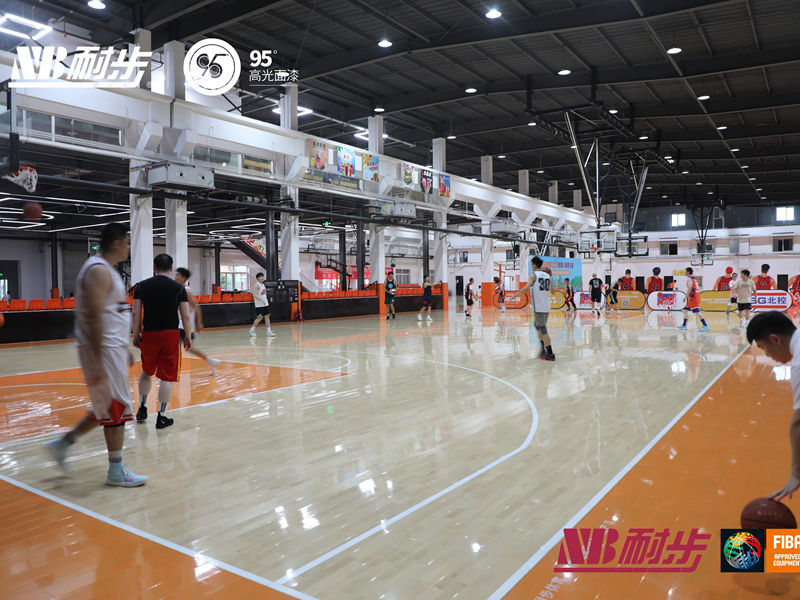
Over the years, indoor sports wood flooring technology has undergone significant advancements, transforming it from a basic surface to a high-performance athletic platform. This article explores the evolution of this technology, highlighting key innovations and their impact on the sports industry.
Early Beginnings
Indoor sports wood flooring has its roots in the early 20th century, when wooden floors were first used in gymnasiums and basketball courts. These early floors were simple and lacked the sophisticated shock-absorbing systems seen today. However, they provided a durable and relatively smooth surface for athletes to compete on.
Introduction of Shock-Absorbing Layers
As the understanding of sports injuries and biomechanics improved, the need for better shock absorption became apparent. This led to the introduction of shock-absorbing layers beneath the wood flooring, typically made of foam or rubber. These layers helped reduce the impact forces transmitted to athletes' joints, lowering the risk of injuries and enhancing comfort during play.
Advancements in Subfloor Systems
In addition to shock-absorbing layers, advancements in subfloor systems have also played a crucial role in the evolution of indoor sports wood flooring. Modern subfloors are designed to be level, stable, and resilient, providing a solid foundation for the wood flooring above. Some subfloors even incorporate air cushioning or spring systems to further enhance shock absorption and energy return.
Integration of Smart Technologies
In recent years, smart technologies have begun to make their way into indoor sports wood flooring. These technologies include sensors that monitor the floor's condition, such as temperature, humidity, and wear levels, providing real-time data to facility managers. Additionally, some floors are now equipped with interactive elements, such as LED lighting or touch-sensitive surfaces, that enhance the overall sports experience.
Future Trends
Looking ahead, the future of indoor sports wood flooring technology is bright. Innovations such as self-healing materials, which can repair minor scratches and dents automatically, and advanced coatings that provide superior slip resistance and durability are on the horizon. Additionally, the integration of virtual reality and augmented reality technologies may revolutionize the way athletes train and compete on indoor sports wood floors.
Leave a Reply