

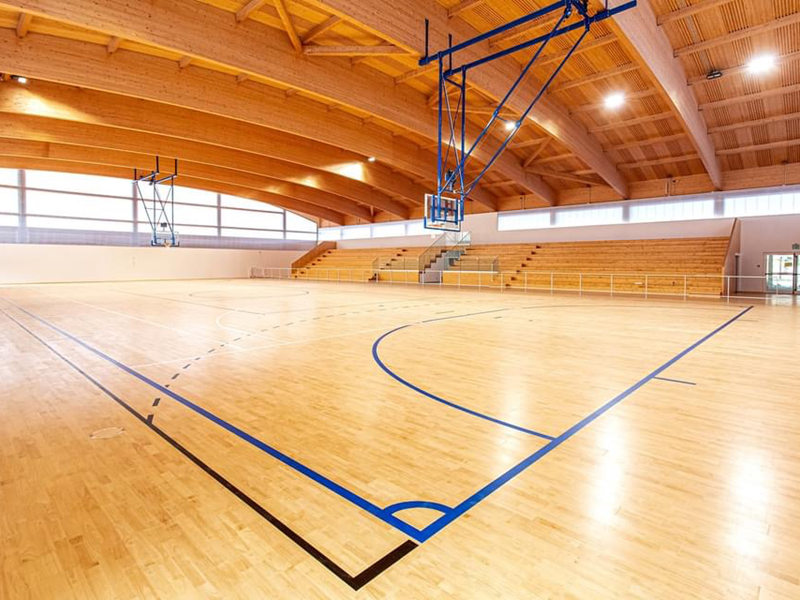
Indoor sports wood flooring has undergone a remarkable transformation over the centuries, evolving from simple wooden planks to highly engineered, performance-enhancing surfaces. The origins of indoor sports flooring can be traced back to ancient civilizations where wooden floors were used in gymnasiums and training areas. However, it was not until the 20th century that significant advancements were made in the design and construction of these floors, driven by the growing popularity of indoor sports such as basketball, volleyball, and gymnastics.
Early indoor sports floors were often made from locally sourced timber, laid in a basic pattern with minimal consideration for shock absorption or traction. As sports became more competitive, the need for better flooring became apparent. Engineers and designers began experimenting with different types of wood, layering techniques, and finishes to improve the durability and performance of the floors. The introduction of synthetic resins and advanced adhesives further enhanced the stability and longevity of these surfaces.
Today, indoor sports wood flooring is a sophisticated product, combining the natural beauty of wood with cutting-edge technology. Modern floors are designed to provide optimal shock absorption, reducing the risk of injuries to athletes. They also offer excellent traction, ensuring that players can move quickly and safely without slipping. The use of high-quality hardwoods, such as maple and oak, ensures that the floors are not only durable but also aesthetically pleasing.
The evolution of indoor sports wood flooring reflects the broader trends in sports technology and design. As sports continue to evolve, so too will the flooring that supports them, ensuring that athletes have the best possible surface to compete on.
Leave a Reply