

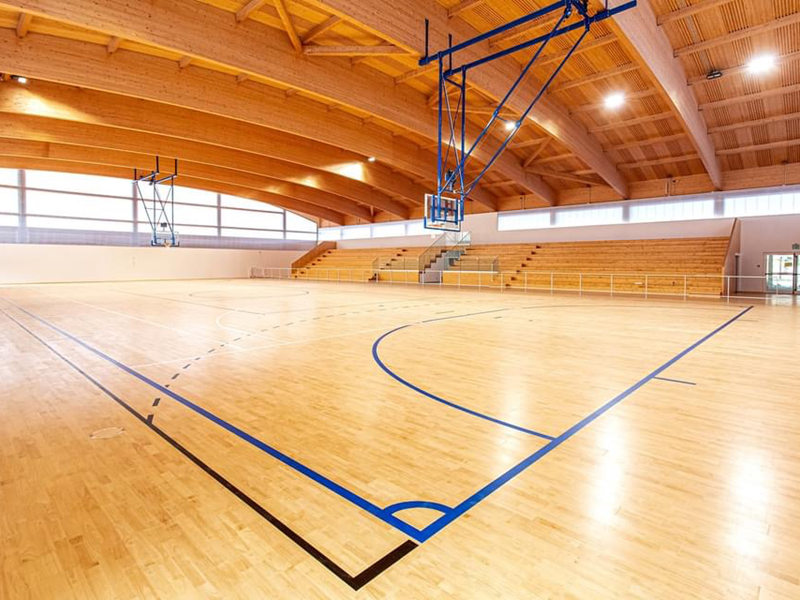
Indoor sports flooring has undergone a remarkable transformation over the decades, evolving from simple wooden planks to sophisticated, high-performance surfaces designed to enhance athletic performance and safety. The journey began with basic wooden floors, which, while providing a flat surface, lacked the necessary cushioning and shock absorption required for intense physical activities. As sports science advanced, so did the understanding of the importance of proper flooring in preventing injuries and optimizing performance.
Today, indoor sports flooring encompasses a wide range of materials, including vinyl, rubber, synthetic turf, and engineered wood. Each material offers unique benefits tailored to specific sports and activities. For instance, vinyl floors are favored for their durability and ease of maintenance, making them ideal for multipurpose gyms. Rubber flooring, on the other hand, provides excellent shock absorption, reducing the risk of joint injuries, which is crucial for high-impact sports like basketball and volleyball.
The integration of technology has further revolutionized indoor sports flooring. Modern floors now feature advanced cushioning systems, moisture resistance, and even antimicrobial properties to ensure a hygienic environment. These innovations not only enhance the playing experience but also extend the lifespan of the flooring, making it a cost-effective investment for sports facilities.
Leave a Reply