

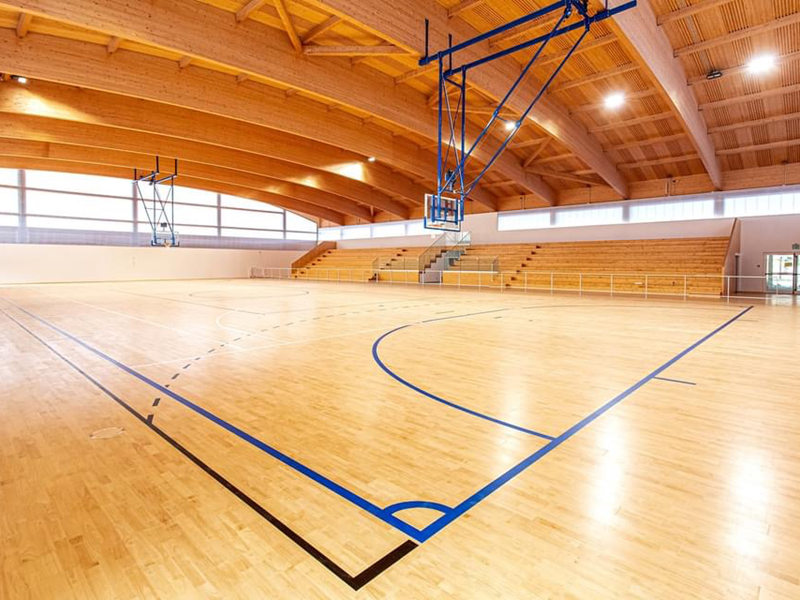
Indoor sports flooring has undergone a remarkable transformation over the decades, evolving from simple wooden planks to sophisticated, high-performance surfaces designed to enhance athletic performance and ensure safety. The journey began with basic wooden floors, which provided a solid foundation but lacked the shock absorption and durability required for modern sports. As the demand for multi-purpose sports arenas grew, so did the need for flooring that could withstand heavy use and diverse activities.
The introduction of synthetic materials marked a significant turning point. Vinyl and rubber floors emerged as popular choices due to their resilience and ease of maintenance. However, it was the development of specialized sports flooring systems, such as those incorporating polyurethane and acrylic, that truly revolutionized the industry. These materials offered superior shock absorption, reducing the risk of injuries and enhancing player comfort.
Today, indoor sports flooring is a blend of science and art, with manufacturers employing advanced technologies to create surfaces that cater to specific sports. Basketball courts, for instance, require a balance of grip and bounce, while volleyball courts need a surface that allows for quick lateral movements. The evolution continues, with innovations like modular flooring systems and smart flooring that can monitor player performance and adjust properties in real-time, setting the stage for the future of indoor sports.
Leave a Reply