

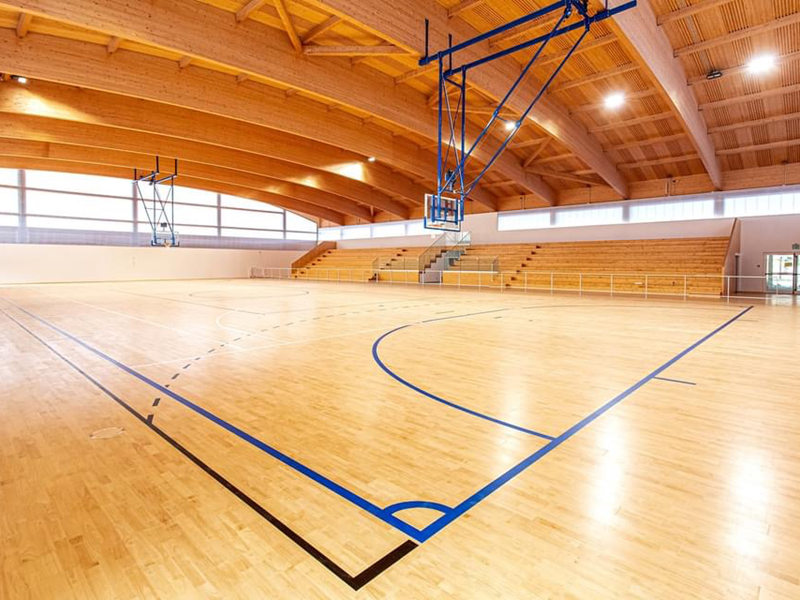
Basketball wooden floors have come a long way since the sport's inception in the late 19th century. Initially, basketball games were played on makeshift surfaces, often indoors on gymnasium floors that were not specifically designed for the sport. These early floors were typically made of simple wooden planks, lacking the specialized features and technologies that define modern basketball courts.
As basketball gained popularity, the need for dedicated, high-quality playing surfaces became apparent. Manufacturers began experimenting with different types of wood, seeking materials that offered the right balance of durability, shock absorption, and traction. Maple emerged as the preferred choice due to its hardness, resilience, and aesthetic appeal. The dense grain structure of maple provides excellent resistance to wear and tear, while its natural beauty enhances the visual experience for players and spectators alike.
Over time, advancements in manufacturing techniques have further refined the quality of basketball wooden floors. Today, these surfaces are engineered to meet strict performance standards, incorporating features such as multi-layer construction, shock-absorbing underlays, and specialized finishes. These innovations not only improve player safety and performance but also extend the lifespan of the floor, reducing maintenance costs and downtime.
The evolution of basketball wooden floors reflects the sport's growth and the increasing emphasis on creating optimal playing environments. As basketball continues to evolve, so too will the technology and design of its playing surfaces, ensuring that athletes have access to the best possible conditions for competition and training.
Leave a Reply