

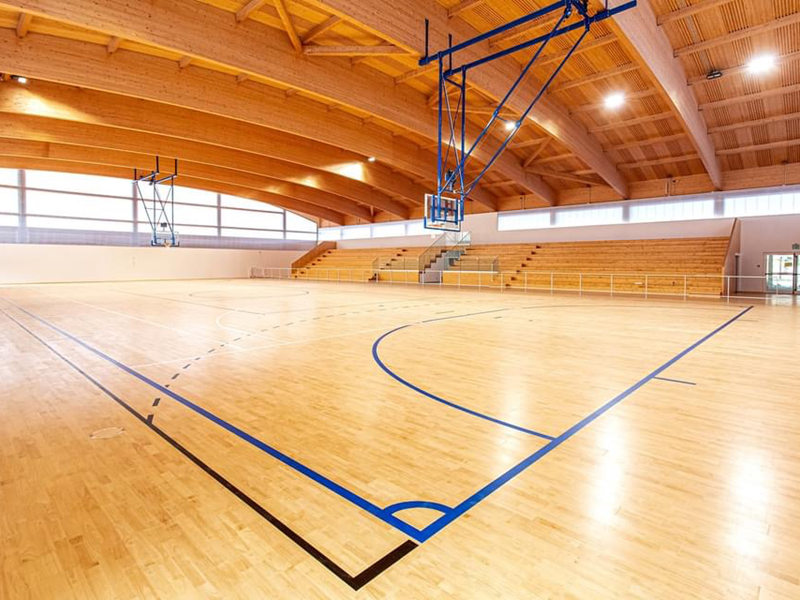
Basketball, a sport that has captured the hearts of millions worldwide, has undergone a remarkable transformation since its inception in the late 19th century. One of the most significant yet often overlooked aspects of this evolution is the development of basketball wood flooring. Initially, basketball games were played on makeshift surfaces, ranging from dirt to concrete, which were far from ideal for the athletes' safety and performance. The introduction of wooden floors marked a pivotal moment in the sport's history, providing a smooth, resilient surface that enhanced gameplay and reduced the risk of injuries.
Early wooden basketball floors were simple, often constructed from locally sourced timber with minimal processing. These floors lacked the uniformity and durability seen in modern installations, but they represented a significant step forward. Over time, advancements in woodworking technology and an understanding of sports biomechanics led to the refinement of basketball wood flooring. Today, these floors are engineered to meet stringent standards, ensuring optimal shock absorption, traction, and resilience.
The evolution of basketball wood flooring has also been influenced by changes in the game itself. As basketball became more fast-paced and physically demanding, the need for a surface that could withstand intense play while protecting players became paramount. Modern basketball wood floors are designed to absorb impact, reducing the strain on athletes' joints and muscles, thereby enhancing their performance and longevity. Additionally, the use of high-quality finishes and coatings has improved the floor's durability and aesthetic appeal, making it a centerpiece in any basketball arena.
Leave a Reply