

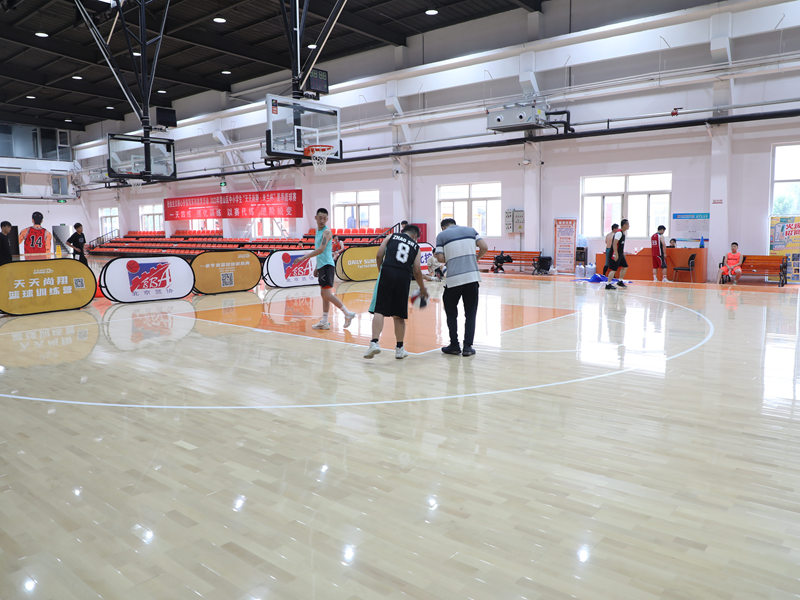
Sports wood flooring has come a long way since its inception, evolving from simple wooden planks to sophisticated, high-performance systems that cater to the specific needs of athletes. This article explores the history, current trends, and future innovations in sports wood flooring technology, highlighting how advancements have enhanced the performance, safety, and durability of these floors.
The History of Sports Wood Flooring
The use of wood for sports flooring dates back centuries, with early examples found in ancient Greek and Roman arenas. However, it wasn't until the 20th century that sports wood flooring began to take on a more standardized form. Maple wood, with its hardness and durability, emerged as the preferred choice for basketball courts and other athletic surfaces. Over time, the construction techniques improved, leading to the development of multi-layered systems that incorporated cushioning materials for enhanced shock absorption.
Current Trends in Sports Wood Flooring
Today, sports wood flooring is characterized by its advanced engineering and customization options. Modern systems often feature a floating subfloor design, where the wood planks are not directly attached to the concrete base but instead rest on a cushioning layer. This design allows for better shock absorption and reduces the risk of injuries.
Another trend is the use of eco-friendly materials and finishes. Many manufacturers now offer sports wood flooring made from sustainably sourced wood and low-VOC (volatile organic compound) finishes that are better for the environment and indoor air quality. These eco-friendly options are increasingly popular among facilities that prioritize sustainability and health.
Customization is also a key trend in sports wood flooring. Facilities can now choose from a wide range of colors, finishes, and patterns to create a unique and visually appealing surface. Some manufacturers even offer custom logos and branding options, allowing teams and organizations to showcase their identity on the court.
Future Innovations in Sports Wood Flooring
Looking ahead, the future of sports wood flooring is filled with exciting possibilities. One area of innovation is the integration of smart technology. Imagine a sports wood floor that can monitor athlete performance, track movement patterns, and provide real-time feedback on technique and form. This type of intelligent flooring could revolutionize training and coaching, helping athletes reach their full potential.
Another potential innovation is the development of self-healing materials. While sports wood flooring is already highly durable, it is not immune to scratches and dents. Self-healing materials could automatically repair minor damage, extending the lifespan of the floor and reducing maintenance costs.
Additionally, advancements in material science may lead to the creation of even more shock-absorbent and lightweight wood composites. These materials could offer the same level of performance as traditional hardwood but with reduced weight, making them easier to install and transport.
In conclusion, the evolution of sports wood flooring technology has been remarkable, from its humble beginnings to the sophisticated, high-performance systems of today. As we look to the future, we can expect continued innovation in areas such as smart technology, self-healing materials, and lightweight composites. These advancements will further enhance the performance, safety, and durability of sports wood flooring, making it an even more attractive choice for athletic facilities around the world.
Leave a Reply