

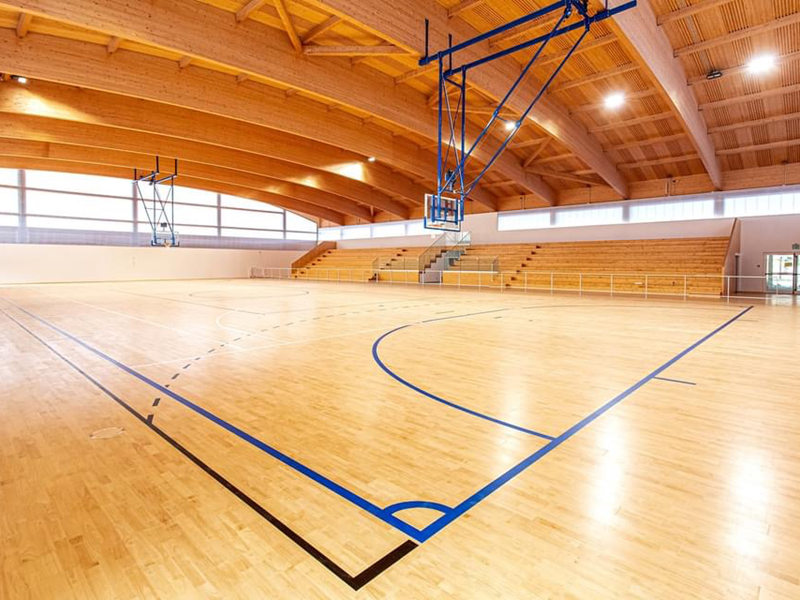
Sports wood flooring has undergone a remarkable evolution over the decades, transforming from simple wooden planks to sophisticated, high-performance surfaces that cater to the diverse needs of athletes and spectators alike. In modern arenas, the choice of flooring is not merely an aesthetic decision but a critical factor influencing safety, performance, and overall user experience.
Historically, sports wood flooring was primarily made from locally sourced timber, often lacking the uniformity and durability required for intense athletic activities. However, with advancements in materials science and manufacturing techniques, today's sports wood floors are engineered to meet stringent international standards. They are designed to provide optimal shock absorption, reduce the risk of injuries, and enhance athletic performance by offering a consistent and responsive playing surface.
The importance of sports wood flooring extends beyond functionality. It plays a pivotal role in creating an inviting and professional atmosphere within sports facilities. The natural beauty of wood, combined with its ability to be customized with various finishes and logos, makes it a preferred choice for arenas seeking to project a premium image. Moreover, the acoustic properties of wood flooring contribute to a lively and engaging environment, enhancing the spectator experience during events.
In conclusion, sports wood flooring has evolved from a basic necessity to a sophisticated component of modern sports infrastructure. Its ability to combine safety, performance, and aesthetics makes it indispensable in arenas worldwide, ensuring that athletes can perform at their best while spectators enjoy an immersive and memorable experience.
Leave a Reply