

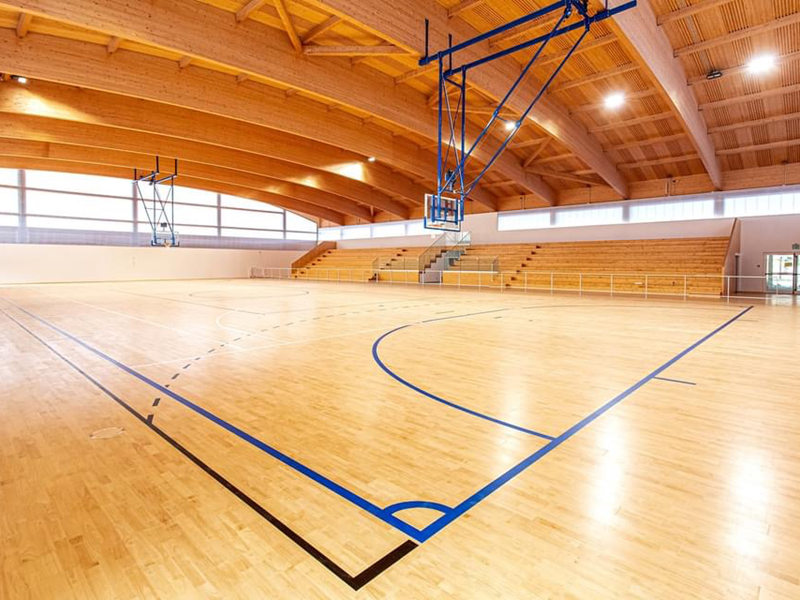
Sports wood flooring has undergone a remarkable evolution over the years, transforming from simple wooden planks to sophisticated, high-performance surfaces that cater to the diverse needs of athletes and spectators alike. In modern arenas, the choice of flooring is not merely an aesthetic decision but a critical factor that influences player safety, performance, and the overall ambiance of the venue.
Historically, sports wood flooring was primarily made from solid hardwood, such as maple or oak, known for their durability and natural beauty. However, with advancements in technology and a deeper understanding of biomechanics, manufacturers have developed engineered wood flooring systems that offer enhanced shock absorption, resilience, and stability. These systems typically consist of multiple layers, including a subfloor, shock-absorbing pads, and a top layer of high-quality hardwood, all designed to work in harmony to provide optimal performance.
The importance of sports wood flooring in modern arenas cannot be overstated. It serves as the foundation for a wide range of sports, from basketball and volleyball to gymnastics and dance. A well-designed flooring system reduces the risk of injuries by absorbing impact forces, providing a consistent and non-slip surface, and minimizing vibrations that can affect player balance and coordination. Moreover, it enhances the visual appeal of the arena, creating a professional and inviting atmosphere that enhances the spectator experience.
In conclusion, sports wood flooring has come a long way from its humble beginnings, evolving into a sophisticated and essential component of modern arenas. Its ability to combine functionality, safety, and aesthetics makes it an indispensable choice for sports facilities worldwide.
Leave a Reply