

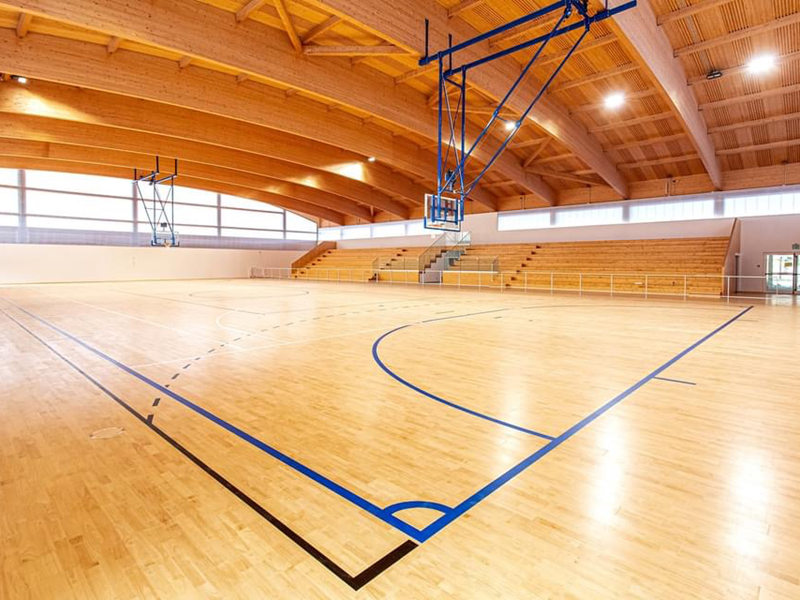
Sports wood flooring has undergone a remarkable evolution over the decades, transforming from simple wooden planks to sophisticated, high-performance surfaces designed to meet the rigorous demands of modern sports arenas. The importance of sports wood flooring cannot be overstated, as it plays a pivotal role in ensuring the safety, performance, and overall experience of athletes and spectators alike.
Historically, sports floors were basic wooden structures that provided minimal shock absorption and traction. However, as sports became more competitive and the physical demands on athletes increased, the need for better flooring solutions became apparent. Today, sports wood flooring is engineered using advanced materials and construction techniques to provide optimal shock absorption, energy return, and traction, reducing the risk of injuries and enhancing athletic performance.
One of the key benefits of sports wood flooring is its ability to absorb impact forces, protecting athletes from the stress and strain associated with high-impact activities such as jumping and landing. This is achieved through the use of specialized subfloor systems that incorporate shock-absorbing materials like rubber or foam. Additionally, the surface of the floor is designed to provide excellent traction, preventing slips and falls, which are common causes of injuries in sports.
Another important aspect of sports wood flooring is its durability and longevity. Unlike other flooring materials, wood can withstand the wear and tear of constant use, making it an ideal choice for high-traffic areas like sports arenas. Regular maintenance and refinishing can extend the life of the floor, ensuring it remains in top condition for years to come.
In conclusion, sports wood flooring has come a long way from its humble beginnings, evolving into a sophisticated, high-performance surface that is essential for modern sports arenas. Its ability to provide shock absorption, traction, and durability makes it an indispensable component of any sports facility, ensuring the safety and performance of athletes while enhancing the overall experience for spectators.
Leave a Reply