

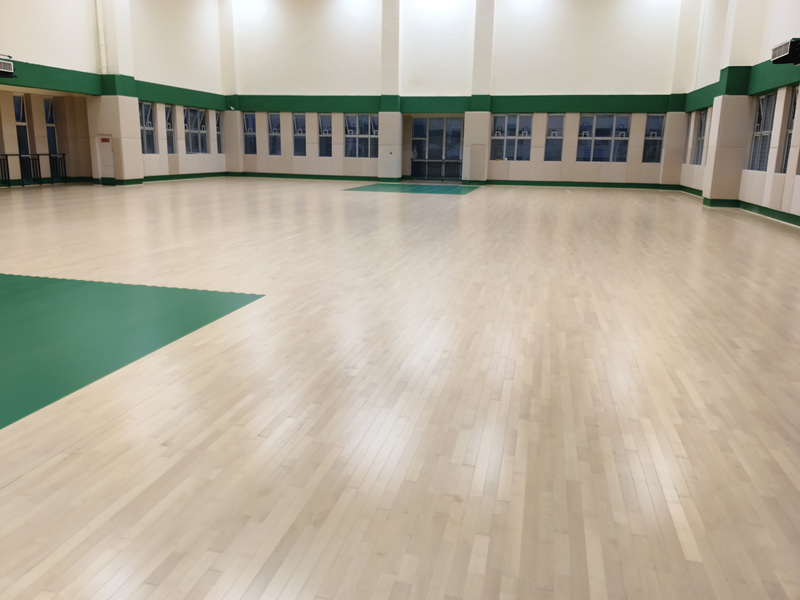
Sports wood flooring has undergone a remarkable evolution over the decades, transforming from simple wooden planks to sophisticated, engineered systems designed to meet the rigorous demands of modern sports arenas. The importance of sports wood flooring cannot be overstated; it serves as the foundation upon which athletes perform, ensuring safety, performance, and durability.
Historically, sports floors were basic wooden surfaces that provided minimal shock absorption and support. However, as sports science advanced, so did the understanding of the impact flooring has on athlete performance and injury prevention. Today's sports wood flooring systems are engineered with multiple layers, including a subfloor, shock pads, and a high-quality hardwood surface. These layers work together to absorb impact, reduce fatigue, and provide a consistent playing surface.
The choice of wood is also crucial. Maple, with its dense grain and durability, is the preferred material for sports flooring. Its ability to withstand heavy use and resist warping makes it ideal for high-traffic areas like basketball courts and volleyball arenas. Additionally, the finish applied to the wood must be non-slip and easy to maintain, ensuring that the floor remains safe and visually appealing for years to come.
In modern arenas, sports wood flooring is not just a functional necessity; it's a statement of quality and commitment to excellence. A well-maintained sports floor enhances the overall experience for athletes and spectators alike, contributing to the success of events and the reputation of the venue. As sports continue to evolve, so too will the technology and design of sports wood flooring, ensuring that it remains at the forefront of athletic performance and safety.
Leave a Reply