

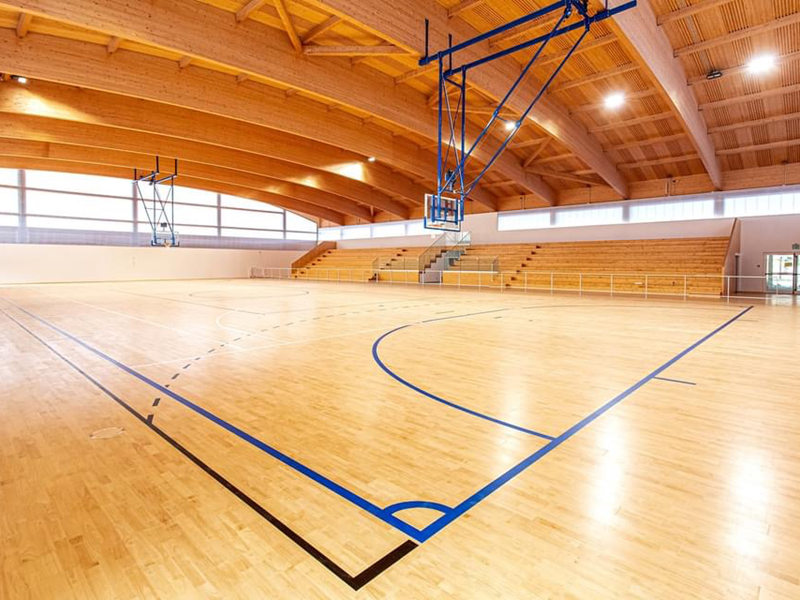
Indoor sports flooring has undergone a remarkable evolution over the years, transforming from simple wooden planks to sophisticated, high-performance surfaces designed to enhance athletic performance and safety. The importance of choosing the right flooring for indoor sports facilities cannot be overstated, as it directly impacts the quality of play, the longevity of the athletes, and the overall user experience.
Historically, wooden floors were the norm in indoor sports arenas, prized for their natural beauty and relative durability. However, as sports became more competitive and the understanding of biomechanics improved, it became clear that wooden floors had limitations. They were prone to warping, required frequent maintenance, and offered limited shock absorption, which could lead to injuries over time.
Enter modern indoor sports flooring solutions, which are engineered to address these issues head-on. Today's floors are made from a variety of materials, including vinyl, rubber, and synthetic composites, each offering unique benefits. For instance, vinyl floors are known for their durability and ease of maintenance, while rubber floors provide excellent shock absorption and slip resistance. Synthetic composite floors, on the other hand, combine the best of both worlds, offering a balance of performance, safety, and aesthetics.
The choice of flooring also depends on the specific sport being played. Basketball courts, for example, require a surface that allows for quick pivots and jumps without causing excessive strain on the joints. Volleyball courts, on the other hand, need a floor that can withstand the constant impact of spikes and dives. Modern flooring solutions are designed with these specific needs in mind, ensuring that athletes can perform at their best while minimizing the risk of injury.
In addition to performance and safety, indoor sports flooring also plays a crucial role in the overall ambiance of a facility. A well-designed floor can enhance the visual appeal of a space, making it more inviting and motivating for athletes and spectators alike. It can also contribute to the acoustic properties of the room, reducing noise levels and creating a more pleasant environment for everyone.
In conclusion, the evolution of indoor sports flooring has been driven by a need for better performance, safety, and aesthetics. Today's floors are a testament to the advancements in materials science and engineering, offering athletes a surface that is both functional and beautiful. As sports continue to evolve, so too will the flooring solutions that support them, ensuring that athletes can always perform at their peak.
Leave a Reply