

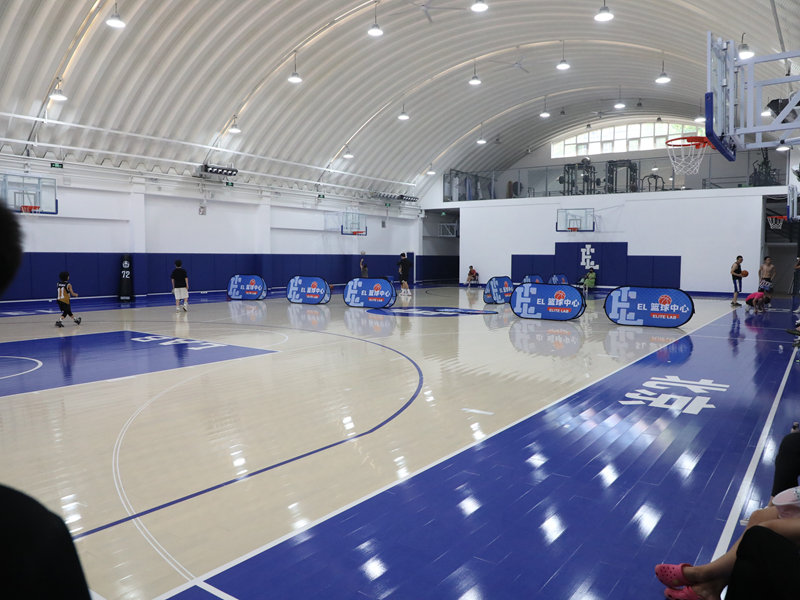
In today's world, environmental sustainability is a top priority for many organizations and individuals. Sports facilities are no exception, and the choice of flooring material can have a significant impact on a facility's environmental footprint. Sports wood flooring, when sourced and processed responsibly, can be a highly sustainable option that aligns with the values of eco-conscious sports facilities.
One of the key aspects of the environmental sustainability of sports wood flooring is its renewable nature. Wood is a natural resource that can be replenished through sustainable forestry practices. By choosing wood from certified sustainable forests, sports facilities can ensure that their flooring is sourced in a way that minimizes environmental impact and supports the long-term health of forest ecosystems.
In addition to being renewable, wood is also a biodegradable material. At the end of its useful life, sports wood flooring can be recycled or repurposed, reducing waste and contributing to a circular economy. For example, old wood flooring can be used as fuel for biomass energy production, or it can be transformed into furniture, decorative items, or other useful products. This contrasts sharply with synthetic flooring materials, which often end up in landfills and take hundreds of years to decompose.
Another advantage of sports wood flooring in terms of environmental sustainability is its energy efficiency. Wood has natural insulating properties that can help reduce the energy needed for heating and cooling a sports facility. Additionally, some sports wood flooring systems incorporate underfloor heating, which can be more efficient than traditional heating methods and further reduce energy consumption.
Furthermore, the production process of sports wood flooring can be designed to minimize environmental impact. Many manufacturers are adopting sustainable production practices, such as using low-VOC (volatile organic compound) adhesives and finishes, reducing water usage, and implementing waste reduction and recycling programs. These efforts help minimize the environmental footprint of sports wood flooring throughout its lifecycle.
In conclusion, sports wood flooring can be a highly sustainable option for sports facilities when sourced and processed responsibly. Its renewable nature, biodegradability, energy efficiency, and sustainable production practices make it an ideal choice for eco-conscious organizations that are committed to reducing their environmental impact. By choosing sports wood flooring, facilities can create a safe and attractive environment for athletes while also contributing to a more sustainable future.
Leave a Reply