

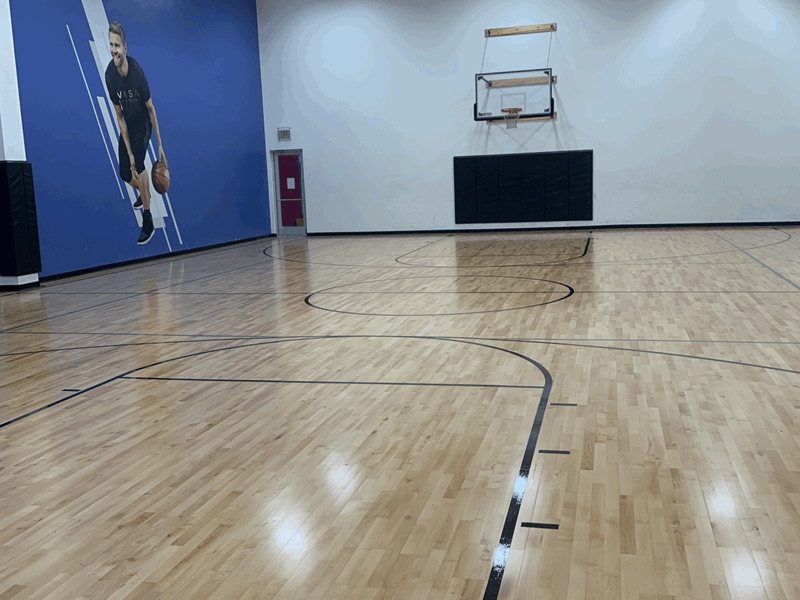
In an era of increasing environmental awareness, the sustainability of building materials has become a major consideration for many sports facilities. Sports wood flooring, when sourced and manufactured responsibly, can be an eco-friendly choice that aligns with the growing trend towards sustainable building practices.
One of the key aspects of the environmental sustainability of sports wood flooring is its renewable nature. Wood is a natural resource that can be replenished through responsible forest management practices. By choosing wood from certified sustainable forests, sports facilities can ensure that their flooring is sourced in an environmentally responsible manner.
In addition to being renewable, wood also has a lower carbon footprint compared to many synthetic flooring materials. The production of wood flooring typically requires less energy and generates fewer greenhouse gas emissions than the production of materials like vinyl or rubber. This makes wood a more environmentally friendly choice for sports facilities looking to reduce their environmental impact.
Moreover, wood flooring can contribute to indoor air quality by not emitting harmful volatile organic compounds (VOCs) like some synthetic materials do. This can create a healthier and more comfortable environment for athletes and spectators, reducing the risk of respiratory problems and other health issues associated with poor indoor air quality.
Finally, at the end of its life cycle, wood flooring can be recycled or repurposed, further reducing its environmental impact. This is in contrast to many synthetic materials, which often end up in landfills and contribute to pollution and waste.
Overall, the environmental sustainability of sports wood flooring makes it an attractive choice for sports facilities looking to reduce their environmental footprint and create a healthier, more sustainable environment for their athletes and spectators.
Leave a Reply