

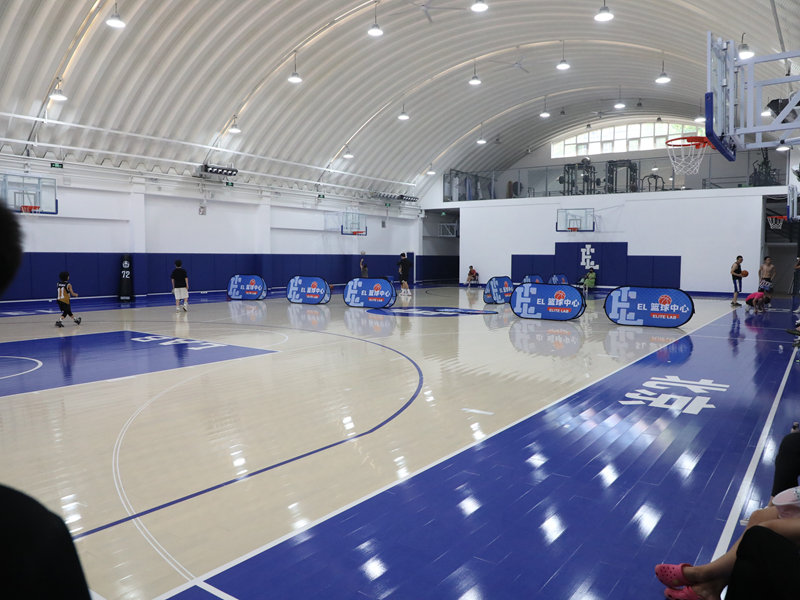
In today's world, where sustainability and environmental responsibility are increasingly important, the choice of flooring for indoor basketball courts can have a significant impact on the environment. Wood flooring, while offering numerous benefits for player performance and safety, also raises questions about its environmental footprint. Here, we explore the environmental impact of wood flooring in indoor basketball courts and discuss ways to minimize its negative effects.
One of the primary concerns with wood flooring is the sourcing of the wood itself. Unsustainable logging practices can lead to deforestation, habitat destruction, and loss of biodiversity. To mitigate these issues, it's essential to choose wood flooring that is certified by reputable organizations like the Forest Stewardship Council (FSC). FSC certification ensures that the wood is sourced from responsibly managed forests that adhere to strict environmental, social, and economic standards.
Another environmental consideration is the energy consumption and emissions associated with the production and transportation of wood flooring. The manufacturing process for wood flooring requires energy for cutting, shaping, finishing, and packaging the wood planks. Additionally, transporting the flooring from the factory to the installation site can contribute to greenhouse gas emissions. To reduce these impacts, facilities can opt for locally sourced wood flooring to minimize transportation distances and choose manufacturers that use renewable energy sources in their production processes.
Furthermore, the lifespan and disposal of wood flooring also have environmental implications. Wood flooring that is properly maintained can last for many years, reducing the need for frequent replacements and the associated waste. When it does come time to replace the flooring, recycling or repurposing the old wood can be a sustainable option. For example, old wood planks can be used for furniture, crafts, or even as fuel for biomass energy production.
In addition to these measures, facilities can also consider using reclaimed or recycled wood for their flooring. Reclaimed wood is sourced from old buildings, barns, or other structures and given a new life as flooring. This approach not only reduces the demand for new wood but also adds a unique character and history to the basketball court.
In conclusion, while wood flooring in indoor basketball courts does have an environmental impact, there are several ways to minimize its negative effects. By choosing FSC-certified wood, opting for locally sourced and sustainably produced flooring, maintaining the flooring properly, and considering reclaimed or recycled options, facilities can create a more sustainable and environmentally responsible playing environment for basketball enthusiasts.
Leave a Reply