

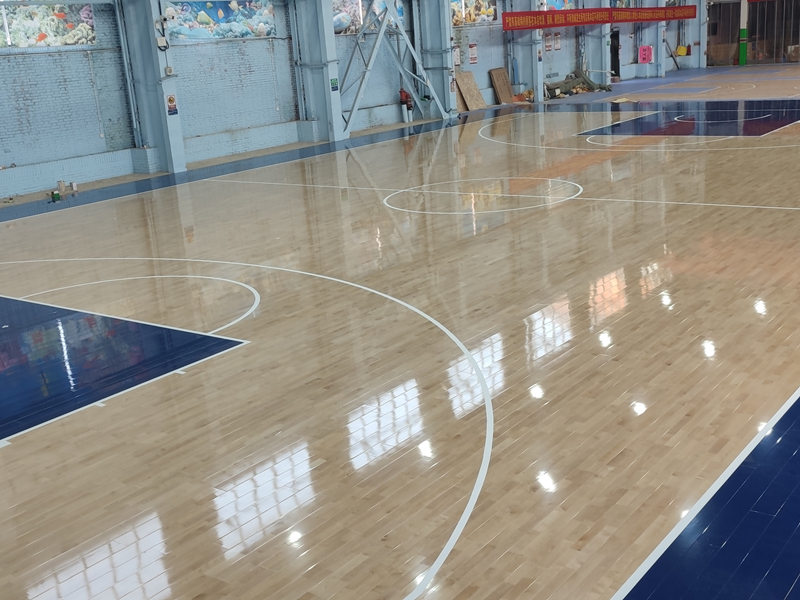
As the world becomes increasingly conscious of environmental sustainability, sports facilities are seeking eco-friendly solutions for their flooring needs. Sports wood flooring, when sourced and manufactured responsibly, can be a sustainable and environmentally friendly option.
One of the key considerations in the environmental impact of sports wood flooring is the sourcing of the wood itself. Sustainable forestry practices ensure that trees are harvested in a way that maintains the health and diversity of the forest ecosystem. This includes replanting trees to replace those that are harvested, protecting wildlife habitats, and minimizing the impact on soil and water resources. By choosing wood from sustainably managed forests, sports facilities can support responsible forestry practices and reduce their environmental footprint.
In addition to sustainable sourcing, the manufacturing process of sports wood flooring also plays a role in its environmental impact. Manufacturers can adopt eco-friendly practices such as using low-VOC (volatile organic compound) finishes and adhesives, recycling waste materials, and minimizing energy consumption during production. These practices help to reduce air and water pollution, conserve natural resources, and lower the overall carbon footprint of the flooring.
Another aspect of sustainability in sports wood flooring is its durability and longevity. When properly maintained, a high-quality wood floor can last for decades, reducing the need for frequent replacements and the associated environmental impact. Additionally, wood floors can be refinished multiple times, extending their lifespan even further and minimizing waste.
Finally, at the end of its life cycle, sports wood flooring can be recycled or repurposed. Wood planks can be salvaged and used for other projects, such as furniture or decorative elements, reducing the amount of waste sent to landfills. Some manufacturers even offer take-back programs, where they reclaim old wood floors for recycling or reuse.
Overall, by considering sustainability in the sourcing, manufacturing, use, and disposal of sports wood flooring, sports facilities can make a positive impact on the environment while still providing a high-performance playing surface for athletes.
Leave a Reply