

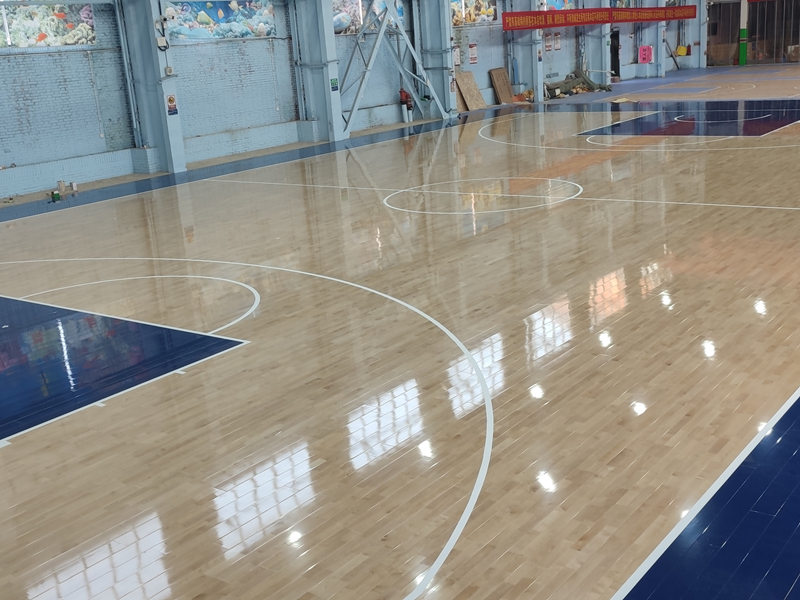
As the sports industry becomes increasingly aware of its environmental impact, sustainability considerations are playing a growing role in the selection and maintenance of sports wood flooring. One of the key sustainability benefits of wood flooring is its renewable nature. Unlike concrete or synthetic materials, wood is a natural resource that can be replenished through responsible forestry practices.
Many sports wood flooring manufacturers now source their wood from certified sustainable forests, ensuring that the trees are harvested in a way that maintains the health and diversity of the forest ecosystem. Additionally, some manufacturers use recycled or reclaimed wood in their products, further reducing the environmental impact.
In terms of maintenance, sports wood flooring offers sustainability advantages as well. Unlike some synthetic materials that require harsh chemicals for cleaning and maintenance, wood floors can be cleaned with mild, pH-neutral cleaners that are less harmful to the environment. Furthermore, the long lifespan of wood flooring means that it does not need to be replaced as frequently as other materials, reducing waste and the demand for new resources.
Finally, the aesthetic appeal of sports wood flooring can contribute to a facility's overall sustainability efforts. A well-maintained wood floor creates a welcoming and professional environment that can enhance the overall sports experience for athletes and spectators alike, potentially reducing the need for energy-intensive renovations or upgrades in the future.
Leave a Reply