

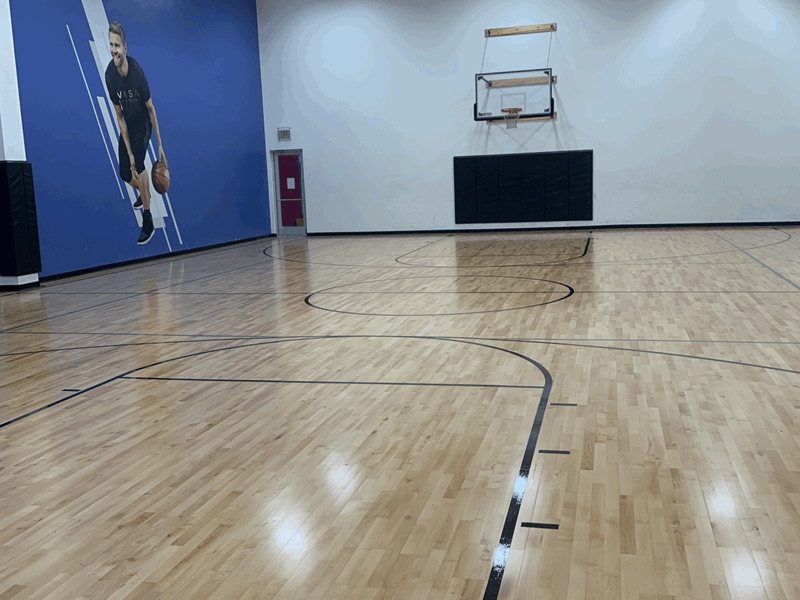
In today's world, sustainability is a growing concern, and sports facilities are no exception. When choosing flooring for a sports facility, it's important to consider the environmental impact of the materials and processes involved. Sports wood flooring, while traditionally associated with natural resources, can actually be a sustainable choice when sourced and manufactured responsibly. Here's a closer look at the environmental impact of sports wood flooring and sustainability considerations:
- Sustainable Sourcing: Many sports wood flooring manufacturers are committed to using sustainably sourced wood. This means that the wood is harvested from forests that are managed in a way that ensures their long-term health and productivity. Sustainable forestry practices include replanting trees, protecting biodiversity, and minimizing the impact on local ecosystems. By choosing sports wood flooring made from sustainably sourced wood, facility managers can support responsible forest management and reduce their environmental footprint.
- Eco-Friendly Production Processes: In addition to sustainable sourcing, many manufacturers are also adopting eco-friendly production processes. This includes using low-VOC (volatile organic compound) finishes and adhesives, which reduce air pollution and improve indoor air quality. Some manufacturers even use renewable energy sources, such as solar or wind power, to power their production facilities, further reducing their environmental impact.
- Durability and Longevity: Sports wood flooring is known for its durability and longevity. With proper maintenance, a well-constructed sports wood floor can last for decades, requiring only occasional refinishing and repairs. This reduces the need for frequent replacement, which in turn reduces the demand for new wood and the associated environmental impact of harvesting and processing. Additionally, the long lifespan of sports wood flooring means that it generates less waste over time compared to other flooring options that may need to be replaced more frequently.
- Recyclability and Reusability: At the end of its life, sports wood flooring can often be recycled or reused. The wood can be repurposed for other applications, such as furniture or construction materials, reducing the need for new resources. Additionally, some manufacturers offer take-back programs, where they will recycle or dispose of old sports wood flooring in an environmentally responsible manner.
- Energy Efficiency: While not directly related to the flooring itself, the design and construction of a sports facility can also impact its energy efficiency. By incorporating energy-efficient features, such as proper insulation, natural lighting, and efficient HVAC systems, facility managers can reduce the overall energy consumption of the building. This, in turn, reduces the environmental impact associated with energy production and helps to create a more sustainable sports facility.
In conclusion, sports wood flooring can be a sustainable choice when sourced and manufactured responsibly. By choosing sustainably sourced wood, eco-friendly production processes, and durable, long-lasting flooring systems, facility managers can reduce their environmental footprint and support responsible forest management. Additionally, by considering the recyclability and reusability of sports wood flooring and incorporating energy-efficient features into the facility design, they can further enhance the sustainability of their sports facility.
Leave a Reply