

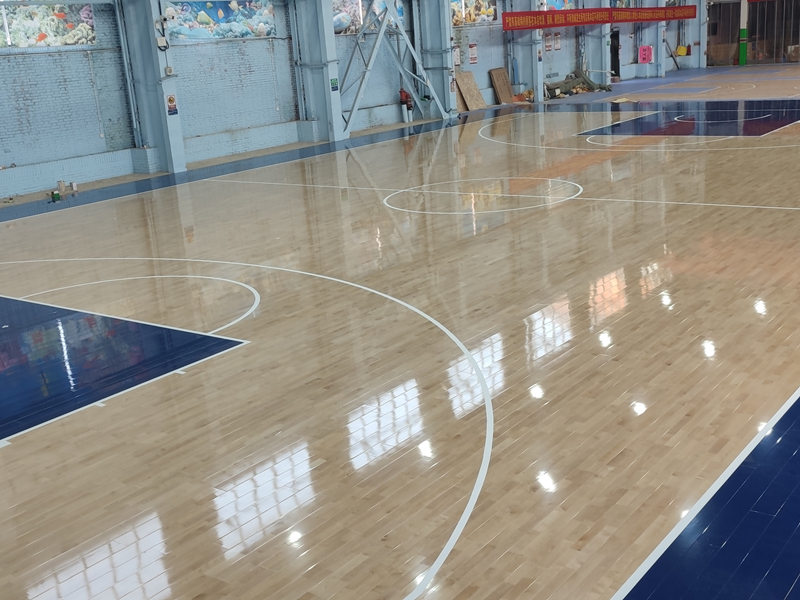
As the world becomes increasingly aware of the importance of sustainability, sports facilities are looking for ways to reduce their environmental impact. One area where significant progress can be made is in the choice of flooring materials. Sports wood flooring, when sourced and produced responsibly, can be a sustainable and eco-friendly option. Here's a closer look at the environmental impact of sports wood flooring and the sustainability considerations involved.
First and foremost, the sourcing of wood is a critical factor in determining the environmental impact of sports wood flooring. Sustainable forestry practices, such as those certified by the Forest Stewardship Council (FSC), ensure that wood is harvested in a way that protects forests, wildlife, and local communities. By choosing FSC-certified wood, sports facilities can support responsible forestry and reduce their contribution to deforestation and habitat destruction.
In addition to sustainable sourcing, the production process of sports wood flooring also has an environmental impact. Manufacturers can reduce their carbon footprint by using energy-efficient machinery, recycling waste materials, and minimizing the use of harmful chemicals. Some companies even go a step further by using renewable energy sources, such as solar or wind power, to power their production facilities.
Another important aspect of the environmental impact of sports wood flooring is its durability and longevity. A high-quality sports wood floor that is properly maintained can last for decades, reducing the need for frequent replacements and the associated waste and resource consumption. This longevity also contributes to the overall sustainability of the flooring option.
Finally, sports facilities can further enhance the sustainability of their wood flooring by implementing recycling or repurposing programs at the end of the floor's useful life. Wood flooring that is no longer suitable for sports use can often be repurposed for other applications, such as furniture or decorative elements, reducing waste and extending the material's lifecycle.
In conclusion, sports wood flooring can be a sustainable and eco-friendly option when sourced and produced responsibly. By choosing FSC-certified wood, supporting energy-efficient production processes, prioritizing durability and longevity, and implementing recycling or repurposing programs, sports facilities can reduce their environmental impact and contribute to a more sustainable future.
Leave a Reply