

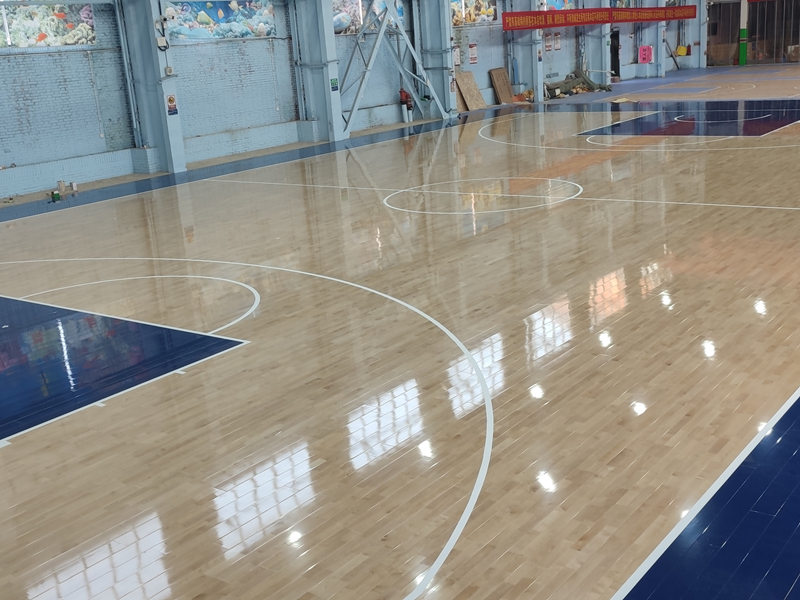
As the world becomes increasingly conscious of environmental issues, sustainability has become a key consideration in the selection of materials and products for athletic facilities. Sports wood flooring, while offering numerous benefits in terms of performance and aesthetics, also has an environmental impact that must be taken into account. In this article, we will explore the environmental impact of sports wood flooring and discuss sustainability considerations that can help to minimize its footprint.
One of the primary environmental concerns associated with sports wood flooring is deforestation. The demand for hardwood, particularly maple and oak, has led to the clearing of vast areas of forest, which can have serious consequences for biodiversity, climate change, and local communities. To address this issue, many manufacturers now source their wood from sustainably managed forests, which are certified by organizations like the Forest Stewardship Council (FSC). These forests are managed in a way that ensures the long-term health and viability of the ecosystem, while also providing a reliable source of timber for the industry.
Another environmental consideration is the energy consumption and emissions associated with the production and transportation of sports wood flooring. The manufacturing process involves cutting, shaping, and finishing the wood, which requires energy and can generate waste. Additionally, transporting the finished product to the installation site can contribute to greenhouse gas emissions. To minimize these impacts, manufacturers are increasingly adopting energy-efficient production methods and using renewable energy sources wherever possible. They are also working to optimize their supply chains to reduce transportation distances and emissions.
In terms of maintenance and disposal, sports wood flooring can also have an environmental impact. Regular cleaning and refinishing can involve the use of chemicals that may be harmful to the environment if not properly disposed of. Additionally, when the floor reaches the end of its lifespan, it must be disposed of in a way that minimizes waste and pollution. Recycling or repurposing the wood is a more sustainable option than sending it to a landfill, as it reduces the demand for new timber and helps to conserve natural resources.
In conclusion, while sports wood flooring offers numerous benefits, it is important to consider its environmental impact and take steps to minimize its footprint. By choosing sustainably sourced wood, adopting energy-efficient production methods, optimizing supply chains, and implementing sustainable maintenance and disposal practices, athletic facilities can help to protect the environment while still providing a high-performance surface for their athletes.
Leave a Reply