

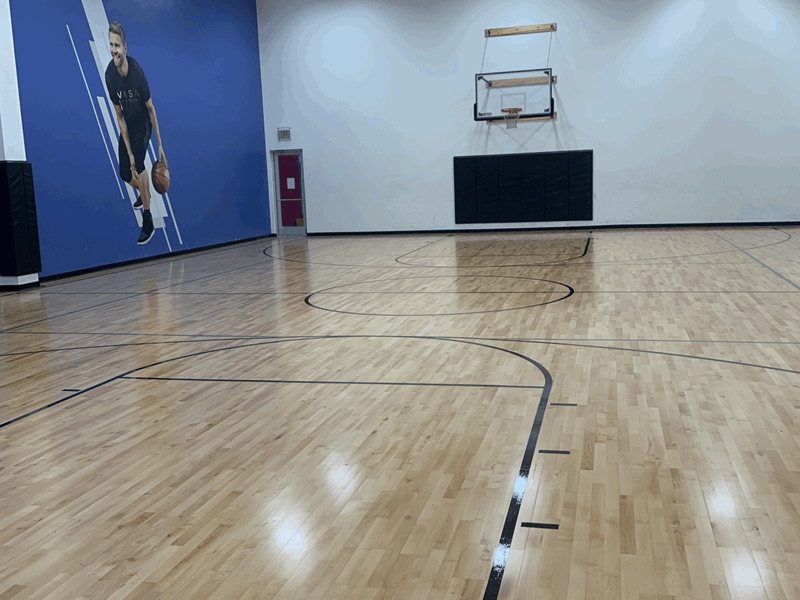
The environmental impact of sports wood flooring is an important consideration for sports facility managers and owners who are committed to sustainability and reducing their carbon footprint. While wood flooring is a natural and renewable resource, the production, transportation, and disposal of wood flooring systems can have significant environmental implications. By understanding these implications and choosing sustainable options, you can minimize the environmental impact of your sports wood flooring.
One of the primary environmental considerations when it comes to sports wood flooring is the source of the wood. It's important to choose wood that is responsibly sourced from sustainably managed forests. Look for certifications such as the Forest Stewardship Council (FSC) or Programme for the Endorsement of Forest Certification (PEFC), which indicate that the wood has been harvested in a way that protects biodiversity, maintains forest health, and respects the rights of indigenous peoples and local communities.
In addition to the source of the wood, the production process of sports wood flooring also has environmental implications. The manufacturing of wood flooring systems involves the use of energy, water, and chemicals, which can contribute to greenhouse gas emissions, water pollution, and waste generation. Look for manufacturers that use eco-friendly production processes, such as
Leave a Reply