

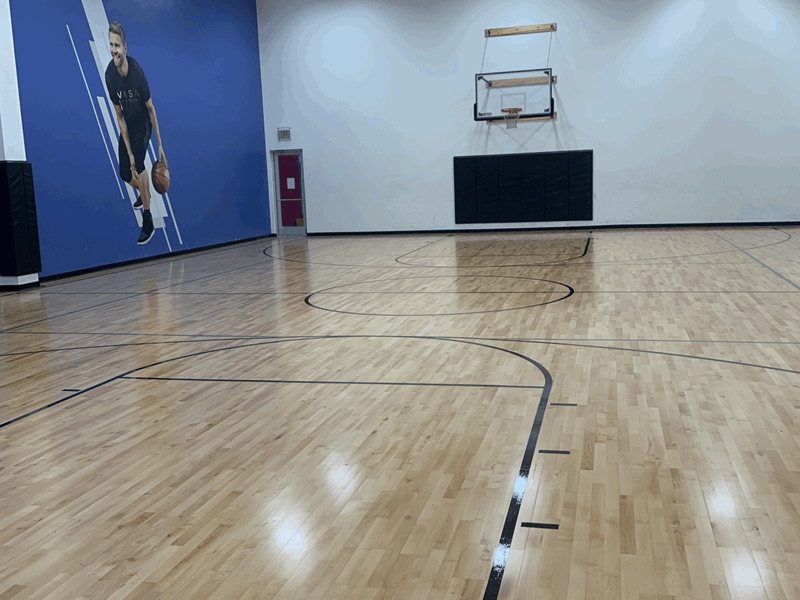
As the world becomes increasingly conscious of environmental issues, the sustainability of sports wood flooring has come under scrutiny. Here's a look at the environmental impact of sports wood flooring and the steps manufacturers are taking to promote sustainability.
One of the primary concerns with sports wood flooring is the sourcing of the wood itself. Deforestation and illegal logging practices can have devastating effects on ecosystems and biodiversity. To address this issue, many manufacturers now source their wood from sustainably managed forests, where trees are harvested in a way that maintains the forest's ecological balance and supports local communities.
Another environmental consideration is the manufacturing process. The production of sports wood flooring involves energy-intensive processes such as cutting, sanding, and finishing. Manufacturers are increasingly adopting energy-efficient technologies and practices to reduce their carbon footprint and minimize waste. For example, some companies use recycled materials in their flooring systems or implement closed-loop manufacturing processes that recycle water and other resources.
The durability and longevity of sports wood flooring also play a role in its environmental impact. A well-maintained sports wood floor can last for many years, reducing the need for frequent replacements and the associated waste and resource consumption. Additionally, when a sports wood floor does reach the end of its life, it can often be recycled or repurposed, further reducing its environmental footprint.
Finally, consumers and venue owners can contribute to the sustainability of sports wood flooring by choosing products from reputable manufacturers that prioritize environmental responsibility. Look for certifications such as the Forest Stewardship Council (FSC) or the Programme for the Endorsement of Forest Certification (PEFC), which indicate that the wood has been sourced from sustainably managed forests.
Leave a Reply