

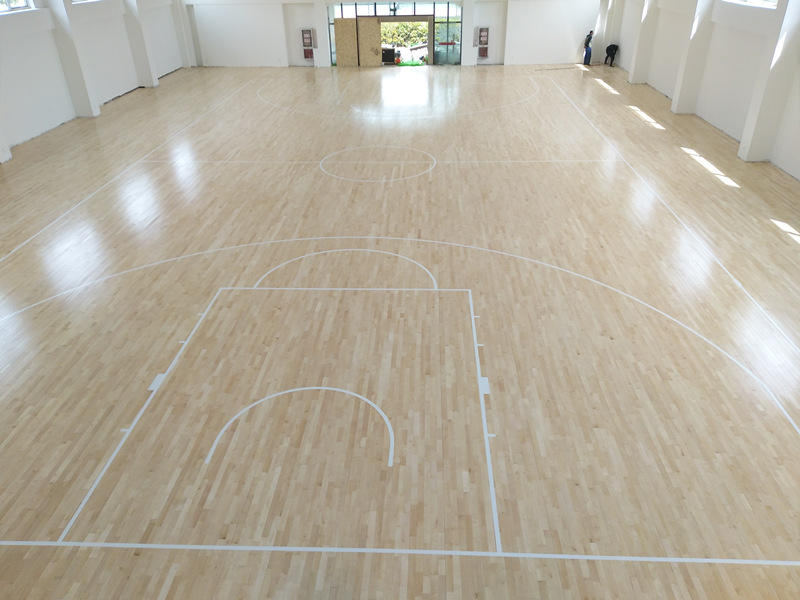
In today's world, sustainability and environmental responsibility are of paramount importance. Sports wood flooring, when sourced and manufactured responsibly, can be an eco-friendly choice for sports facilities.
One of the key aspects of sustainable sports wood flooring is the use of responsibly sourced wood. This means selecting wood from forests that are managed in a way that ensures their long-term health and viability. Responsible forest management practices include replanting trees, protecting biodiversity, and minimizing the impact on local ecosystems.
Another important consideration is the manufacturing process. Sustainable sports wood flooring manufacturers strive to minimize waste and reduce their carbon footprint by using energy-efficient production methods and recycling materials whenever possible. Additionally, some manufacturers offer flooring options that are made from recycled or reclaimed wood, further reducing the environmental impact.
Furthermore, the durability of sports wood flooring contributes to its sustainability. A well-maintained wood floor can last for decades, reducing the need for frequent replacements and the associated environmental costs. When the time does come to replace the floor, many manufacturers offer recycling programs that allow the old flooring to be repurposed or recycled into new products.
In conclusion, sports wood flooring can be a sustainable and environmentally responsible choice for sports facilities. By selecting responsibly sourced wood, supporting manufacturers with eco-friendly practices, and maintaining the floor properly, sports facilities can contribute to a healthier planet while providing a high-quality playing surface for athletes.
Leave a Reply