

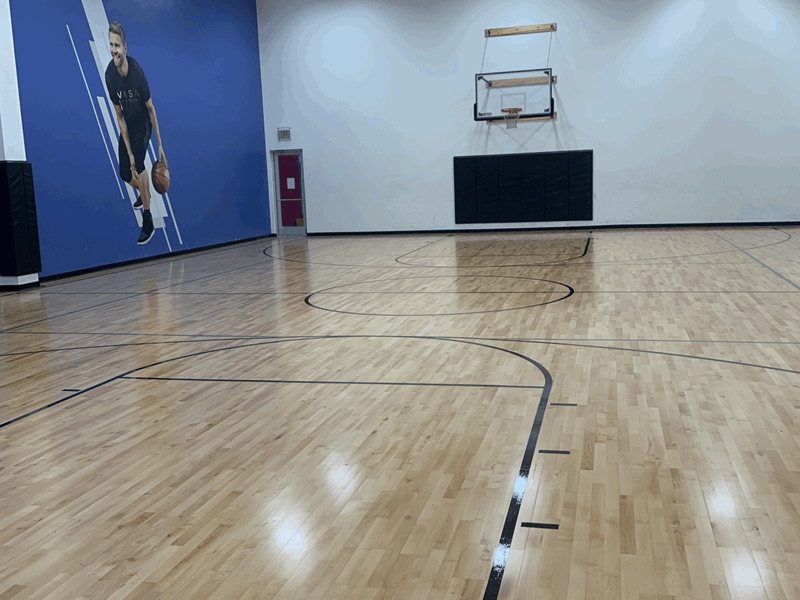
In today's world, sustainability and environmental responsibility are increasingly important considerations in any industry, including sports flooring. Sports wood flooring, when sourced and manufactured responsibly, can be an environmentally friendly option that aligns with these values.
Firstly, the choice of wood is crucial. Sustainable forestry practices ensure that trees are harvested in a way that maintains the health and diversity of the forest ecosystem. Look for sports wood flooring that is certified by organizations like the Forest Stewardship Council (FSC), which promotes responsible forest management worldwide.
Secondly, the manufacturing process can also have an environmental impact. Opt for manufacturers that use low-VOC (volatile organic compound) finishes and adhesives, as these reduce air pollution and improve indoor air quality. Additionally, manufacturers that prioritize energy efficiency and waste reduction in their production processes contribute to a more sustainable industry.
Furthermore, the longevity of sports wood flooring is another environmental benefit. When properly maintained, a sports wood floor can last for decades, reducing the need for frequent replacements and the associated environmental impact of manufacturing and disposing of new floors.
Finally, consider the end-of-life options for sports wood flooring. Some manufacturers offer recycling programs that allow old floors to be repurposed into new products, further reducing waste and environmental impact.
By choosing sustainable sports wood flooring and supporting responsible manufacturers, sports facilities can contribute to a more environmentally friendly industry while still providing high-quality playing surfaces for athletes.
Leave a Reply