

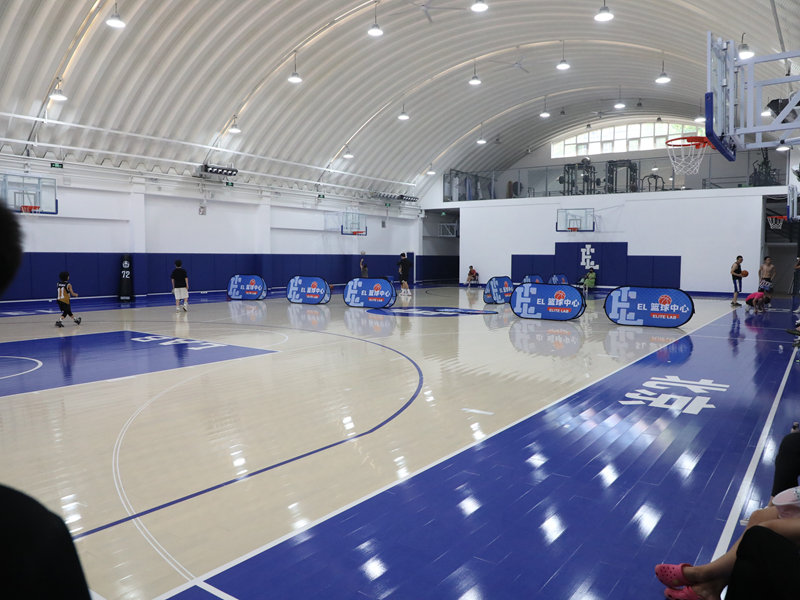
In today's world, sustainability and eco-friendliness are becoming increasingly important considerations in all aspects of life, including sports facilities. Sports wood flooring, while offering numerous benefits in terms of performance and aesthetics, also has an environmental impact that should be considered. This article explores the environmental impact of sports wood flooring and highlights sustainable and eco-friendly options available.
The production of sports wood flooring involves the harvesting of trees, which can have a significant impact on forests and ecosystems if not managed responsibly. However, many manufacturers are now sourcing their wood from sustainably managed forests, where trees are replanted to replace those that are harvested. This helps ensure the long-term viability of forests and reduces the environmental impact of wood production.
In addition to sustainable sourcing, some manufacturers are also using recycled materials in their sports wood flooring. Recycled wood fibers, for example, can be used to create a subfloor system that is both durable and eco-friendly. This reduces the amount of waste sent to landfills and helps conserve natural resources.
Another aspect of the environmental impact of sports wood flooring is the use of finishes and adhesives. Traditional finishes and adhesives may contain volatile organic compounds (VOCs) that can be harmful to the environment and human health. However, many manufacturers now offer low-VOC or VOC-free finishes and adhesives that are safer for the environment and indoor air quality.
Furthermore, the longevity of sports wood flooring contributes to its sustainability. A well-maintained sports wood floor can last for decades, reducing the need for frequent replacements and the associated environmental impact. This longevity is due to the durability and resilience of the materials used in sports wood flooring, as well as the regular maintenance and care provided by facility managers.
In conclusion, while sports wood flooring does have an environmental impact, there are sustainable and eco-friendly options available. By choosing wood sourced from sustainably managed forests, using recycled materials, opting for low-VOC finishes and adhesives, and maintaining the floor properly, sports facilities can reduce their environmental footprint and contribute to a more sustainable future.
Leave a Reply