

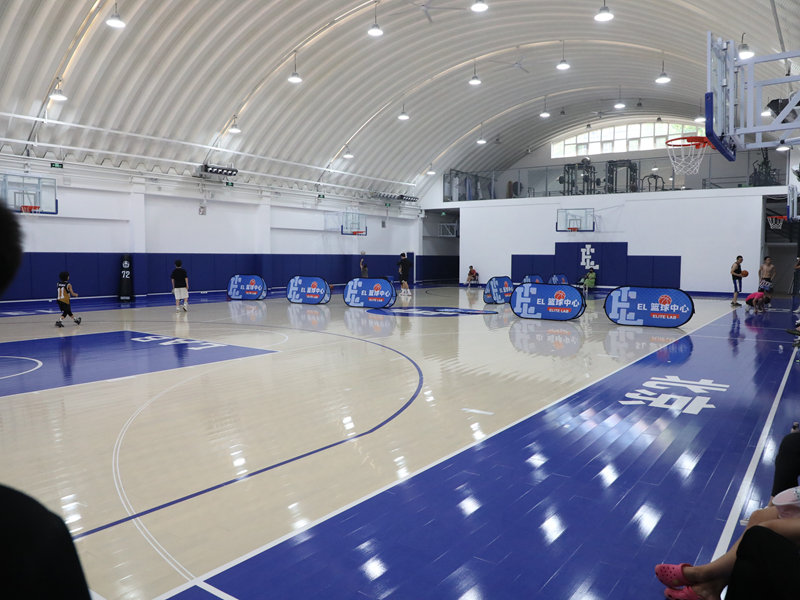
In today's world, sustainability and eco-friendliness are becoming increasingly important considerations in all aspects of our lives, including the materials we choose for our sports facilities. Sports wood flooring, while offering numerous benefits in terms of performance and durability, also has an environmental impact that should be considered. This article will explore the environmental impact of sports wood flooring and discuss ways to make it more sustainable and eco-friendly.
One of the primary environmental concerns associated with sports wood flooring is the sourcing of the wood itself. Deforestation and illegal logging are significant issues that can have a devastating impact on ecosystems and biodiversity. However, many sports wood flooring manufacturers are now sourcing their wood from sustainably managed forests, which are harvested in a way that ensures the long-term health and viability of the forest. Choosing wood from these sources can help to reduce the environmental impact of sports wood flooring.
Another important aspect of the environmental impact of sports wood flooring is the manufacturing process. The production of sports wood flooring involves the use of energy and resources, as well as the generation of waste and emissions. However, many manufacturers are now implementing sustainable manufacturing practices, such as using renewable energy sources, reducing waste, and minimizing emissions. Choosing manufacturers that prioritize sustainability can help to reduce the environmental impact of sports wood flooring.
Additionally, the durability and longevity of sports wood flooring can also contribute to its sustainability. A high-quality sports wood floor that is well-maintained and refinished regularly can last for decades, reducing the need for frequent replacements and minimizing waste. This not only saves money in the long run but also reduces the environmental impact associated with the production and disposal of flooring materials.
Finally, recycling and repurposing sports wood flooring at the end of its life can also contribute to its sustainability. While it may not be possible to recycle the wood itself, the subfloor systems and other components of the flooring can often be recycled or repurposed for other uses. Additionally, some manufacturers offer take-back programs or recycling initiatives to help ensure that their products are disposed of in an environmentally responsible manner.
In conclusion, the environmental impact of sports wood flooring can be significant, but there are ways to make it more sustainable and eco-friendly. By choosing wood from sustainably managed forests, supporting manufacturers that prioritize sustainability, maintaining and refinishing the floor regularly, and recycling or repurposing the flooring at the end of its life, we can reduce the environmental impact of sports wood flooring and create more sustainable sports facilities for future generations.
Leave a Reply