

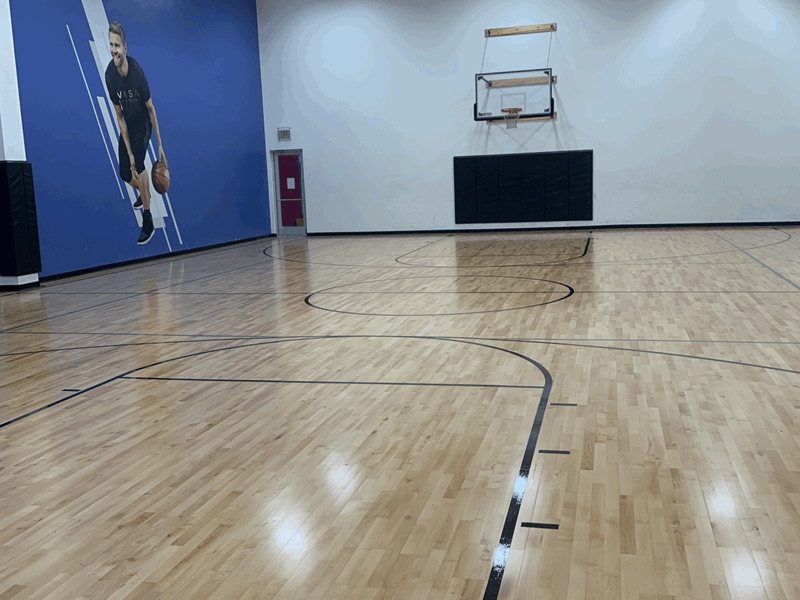
In today's environmentally conscious world, the sustainability and eco-friendliness of products are becoming increasingly important. Sports wood flooring is no exception, as manufacturers and facility managers are seeking ways to reduce their environmental impact while still providing high-quality flooring solutions.
One of the key advantages of sports wood flooring is its renewable nature. Wood is a natural, renewable resource that can be harvested and replanted, making it a more sustainable choice than non-renewable materials like concrete or synthetic flooring. Moreover, many manufacturers are now using sustainably sourced wood from certified forests, ensuring that their products have a minimal impact on the environment.
In addition to its renewable nature, sports wood flooring also offers energy efficiency benefits. Wood is a natural insulator, helping to regulate temperature and reduce energy consumption in buildings. This can lead to lower heating and cooling costs, making sports wood flooring a cost-effective choice in the long run.
Furthermore, sports wood flooring can be recycled or repurposed at the end of its life cycle. While it's important to note that not all wood flooring can be recycled due to the presence of adhesives and finishes, many manufacturers are now offering recycling programs or taking steps to ensure that their products can be disposed of in an environmentally friendly manner. Additionally, old wood flooring can often be repurposed for other uses, such as furniture or decorative elements, further extending its life cycle and reducing waste.
Finally, it's worth noting that the production of sports wood flooring can have a lower carbon footprint than other flooring materials. The manufacturing process for wood flooring typically requires less energy and produces fewer emissions than the production of concrete or synthetic flooring. Moreover, the use of locally sourced wood can further reduce the carbon footprint by minimizing transportation emissions.
Leave a Reply