

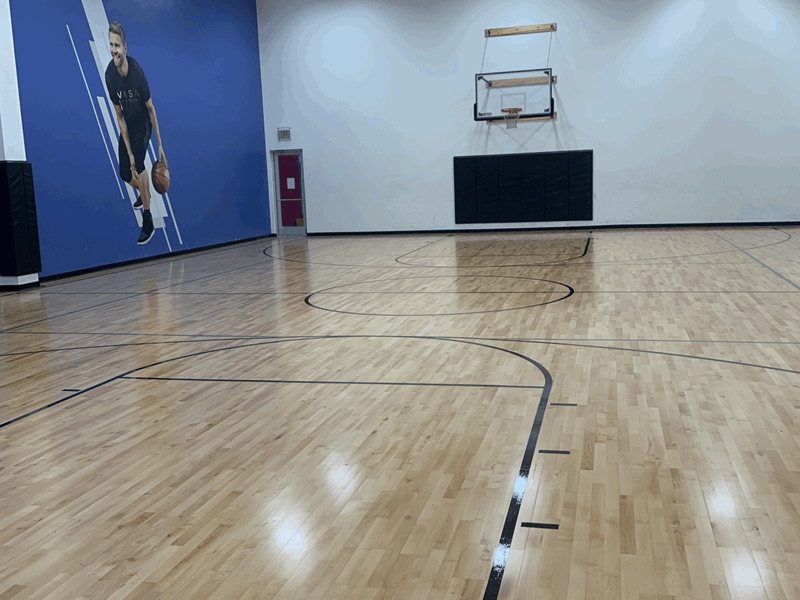
In an era where sustainability and eco-friendliness are becoming increasingly important, the environmental impact of sports wood flooring is a topic of significant interest. While wood is a renewable resource, the production, processing, and disposal of sports wood flooring can have environmental implications. This article will explore the sustainability and eco-friendliness of sports wood flooring, highlighting its benefits and potential areas for improvement.
Renewable Resource:
One of the primary benefits of sports wood flooring is that it is made from a renewable resource. Wood can be sustainably harvested from forests that are managed according to strict environmental standards, ensuring that new trees are planted to replace those that are cut down. This makes wood a more sustainable choice compared to synthetic materials that are derived from non-renewable resources like petroleum.
Carbon Sequestration:
Trees absorb carbon dioxide from the atmosphere as they grow, storing it in their wood. When wood is used for sports flooring, this carbon remains sequestered in the floor for the duration of its life, helping to mitigate climate change. Additionally, the production of wood flooring requires less energy compared to synthetic materials, further reducing its carbon footprint.
Durability and Longevity:
Sports wood flooring is highly durable and can last for decades with proper maintenance. This means that it does not need to be replaced as frequently as other types of flooring, reducing waste and the demand for new materials. Furthermore, when a sports wood floor does reach the end of its life, it can often be recycled or repurposed, further extending its useful life and reducing its environmental impact.
Potential Areas for Improvement:
While sports wood flooring has many sustainability benefits, there are also potential areas for improvement. The production process can be energy-intensive, particularly if the wood is processed in facilities that rely on fossil fuels. Additionally, the transportation of wood from the forest to the processing facility and then to the installation site can contribute to greenhouse gas emissions. To address these issues, manufacturers can invest in renewable energy sources for their facilities and optimize their supply chains to reduce transportation distances.
Certification and Standards:
To ensure the sustainability and eco-friendliness of sports wood flooring, it is important to look for products that are certified by reputable organizations. These certifications, such as the Forest Stewardship Council (FSC) or the Programme for the Endorsement of Forest Certification (PEFC), indicate that the wood has been harvested and processed according to strict environmental and social standards. By choosing certified sports wood flooring, consumers can have confidence that they are making a sustainable choice
In conclusion, sports wood flooring offers many sustainability and eco-friendliness benefits, including its renewable nature, carbon sequestration capabilities, durability, and potential for recycling. While there are potential areas for improvement in the production and transportation processes, choosing certified products and supporting manufacturers that prioritize sustainability can help to mitigate these issues. By investing in sustainable sports wood flooring, arenas and facilities can create a more environmentally friendly environment for athletes and spectators alike.
Leave a Reply