

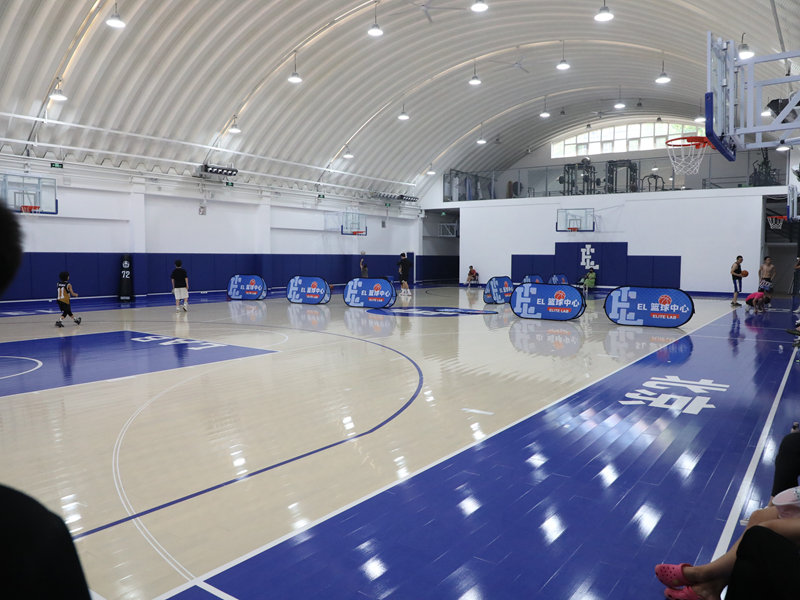
In recent years, there has been a growing emphasis on sustainability and eco-friendliness in the construction and maintenance of sports facilities. Sports wood flooring is no exception, with manufacturers increasingly focusing on developing environmentally responsible flooring options that minimize waste, reduce energy consumption, and use sustainable materials. Here's a closer look at the environmental impact of sports wood flooring:
- Sustainable Materials: Many sports wood flooring manufacturers now use sustainably sourced wood, such as FSC-certified hardwood, which is harvested from responsibly managed forests. This ensures that the wood used in flooring production is replenished at a rate that meets or exceeds the rate of harvest, preserving forest ecosystems for future generations.
- Waste Reduction: The production of sports wood flooring generates less waste compared to other flooring materials like concrete or synthetic surfaces. Wood offcuts and scraps can be recycled or repurposed, reducing the amount of waste sent to landfills. Additionally, some manufacturers use advanced manufacturing techniques to minimize waste during the production process.
- Energy Efficiency: The installation and maintenance of sports wood flooring can be more energy-efficient compared to other flooring options. Wood is a natural insulator, helping to regulate indoor temperatures and reduce heating and cooling costs. Additionally, wood flooring requires less energy to produce and transport compared to heavier materials like concrete.
- Low VOC Emissions: Volatile organic compounds (VOCs) are chemicals that can be emitted from building materials and furnishings, contributing to indoor air pollution. Many sports wood flooring finishes and adhesives are now formulated to be low in VOCs, reducing the impact on indoor air quality and creating a healthier environment for athletes and staff.
- Longevity and Durability: Sports wood flooring is known for its longevity and durability, with proper maintenance and care. A well-installed wood floor can last for decades, reducing the need for frequent replacements and minimizing the environmental impact associated with the production and disposal of flooring materials.
In conclusion, sports wood flooring can be an environmentally responsible choice for sports facilities when sourced from sustainable materials, produced with waste reduction in mind, installed and maintained efficiently, and finished with low-VOC products. By choosing eco-friendly sports wood flooring options, sports facilities can contribute to a more sustainable future while providing athletes with a high-performance playing surface.
Leave a Reply