

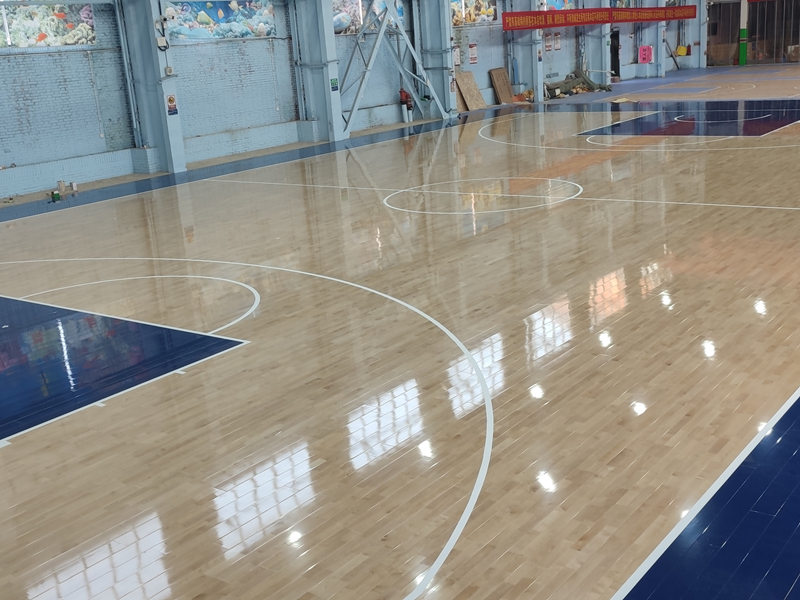
In today's world, sustainability and eco-friendliness are increasingly important considerations in the selection of materials for sports facilities. Sports wood flooring, when sourced and manufactured responsibly, can be an environmentally friendly choice that aligns with these values.
One of the key environmental benefits of sports wood flooring is its renewable nature. Wood is a natural, renewable resource that can be harvested and replanted in a sustainable manner. When forests are managed responsibly, with a focus on long-term health and biodiversity, the harvesting of wood for flooring can be part of a circular economy that minimizes waste and maximizes resource efficiency.
Additionally, many sports wood flooring manufacturers are committed to using sustainable practices throughout the production process. This includes sourcing wood from certified sustainable forests, using low-VOC (volatile organic compound) finishes and adhesives, and implementing energy-efficient manufacturing techniques. By choosing a manufacturer that prioritizes sustainability, sports facilities can reduce their environmental footprint and contribute to a healthier planet.
Furthermore, sports wood flooring can have a positive impact on indoor air quality. Unlike some synthetic flooring materials, which can emit harmful chemicals into the air, wood flooring is a natural, non-toxic option that does not contribute to indoor air pollution. This is particularly important in sports facilities, where athletes and spectators may spend extended periods of time indoors.
Finally, the durability and longevity of sports wood flooring contribute to its environmental friendliness. A well-maintained wood floor can last for decades, reducing the need for frequent replacements and minimizing waste. Additionally, when the time comes to replace the floor, wood can be recycled or repurposed, further extending its lifespan and reducing its environmental impact.
In summary, sports wood flooring can be an environmentally friendly choice when sourced and manufactured responsibly. Its renewable nature, sustainable production practices, positive impact on indoor air quality, and durability make it a viable option for sports facilities looking to reduce their environmental footprint.
Leave a Reply