

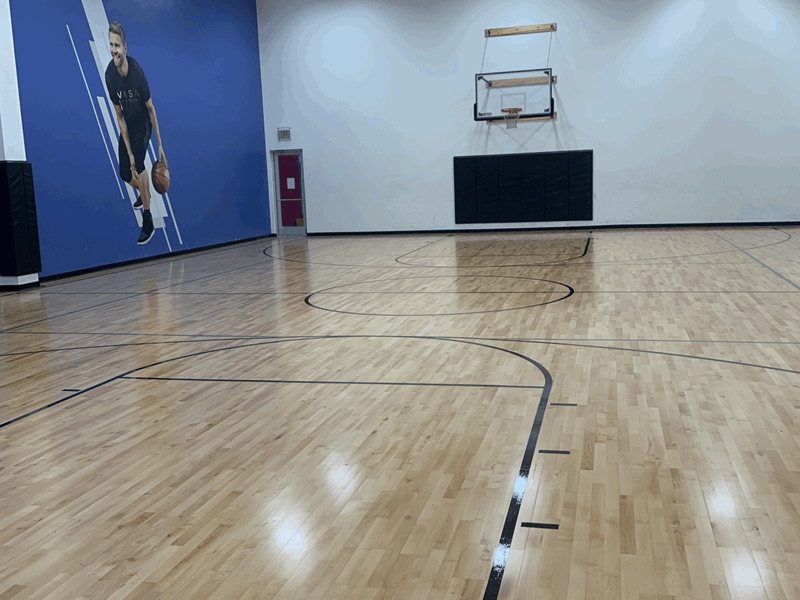
In today's world, sustainability and eco-friendliness are becoming increasingly important considerations in all aspects of life, including sports flooring. Sports wood flooring, when sourced and manufactured responsibly, can be a sustainable and eco-friendly option for sports arenas. Here's a closer look at the environmental impact of sports wood flooring and how it can contribute to a more sustainable future:
Renewable Resource:
Wood is a renewable resource that can be harvested and replanted, making it a more sustainable option than non-renewable materials like concrete or synthetic flooring. When sourced from responsibly managed forests, wood flooring can support forest conservation efforts and promote biodiversity. Look for sports wood flooring options that are certified by organizations like the Forest Stewardship Council (FSC), which ensures that the wood is sourced from forests that are managed in an environmentally responsible, socially beneficial, and economically viable way.
Low Carbon Footprint:
The production and transportation of sports wood flooring typically have a lower carbon footprint compared to other flooring materials. Wood requires less energy to produce than concrete or steel, and its lightweight nature reduces transportation emissions. Additionally, wood acts as a carbon sink, storing carbon dioxide absorbed by trees during their growth. This means that sports wood flooring can help reduce greenhouse gas emissions and mitigate climate change.
Durability and Longevity:
Sports wood flooring is designed to last for many years, reducing the need for frequent replacements and the associated environmental impact. Its durability ensures that it can withstand the wear and tear of frequent use and high traffic, maintaining its performance and appearance over time. This longevity means that arenas don't have to contribute to landfill waste by disposing of worn-out flooring materials frequently.
Recyclability and Reusability:
At the end of its lifespan, sports wood flooring can often be recycled or repurposed, further reducing its environmental impact. Wood can be recycled into mulch, animal bedding, or even new flooring products, depending on its condition and type. Additionally, some sports wood flooring options are designed to be disassembled and reused in other locations, extending their useful life and reducing waste.
Energy Efficiency:
Some sports wood flooring options incorporate energy-efficient features, such as radiant heating systems that use the thermal mass of the wood to distribute heat evenly and efficiently. This can reduce the energy consumption of arenas, lowering their carbon footprint and operating costs. Additionally, the natural insulating properties of wood can help maintain a comfortable temperature in the arena, reducing the need for excessive heating or cooling.
In conclusion, sports wood flooring, when sourced and manufactured responsibly, can be a sustainable and eco-friendly option for sports arenas. Its renewable nature, low carbon footprint, durability, recyclability, and energy efficiency make it an attractive choice for those looking to reduce their environmental impact and promote sustainability in the sports industry.
Leave a Reply