

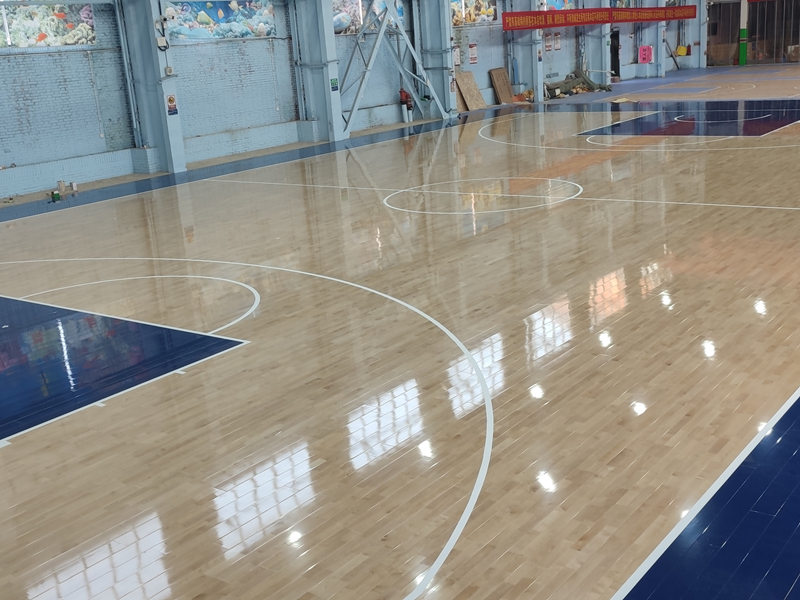
The environmental impact of sports wood flooring is an important consideration for sports facilities seeking to adopt sustainable practices. While wood is a renewable resource, the harvesting and processing of timber can have significant environmental consequences if not managed responsibly. However, by choosing sustainably sourced wood and implementing eco-friendly practices, sports facilities can minimize their environmental footprint while still enjoying the benefits of wood flooring.
One of the key aspects of sustainable sports wood flooring is the use of certified wood from responsibly managed forests. Certification programs such as the Forest Stewardship Council (FSC) ensure that the wood is harvested in a way that protects biodiversity, maintains forest ecosystems, and respects the rights of indigenous peoples and local communities. By choosing FSC-certified wood, sports facilities can support sustainable forestry practices and contribute to the preservation of natural resources.
In addition to using sustainably sourced wood, sports facilities can also adopt eco-friendly practices in the installation and maintenance of their wood flooring. For example, using low-VOC (volatile organic compound) adhesives and finishes can reduce indoor air pollution and improve indoor air quality for athletes and spectators. Additionally, implementing a recycling program for old or damaged wood flooring can help to divert waste from landfills and promote the reuse of materials.
Another important aspect of sustainable sports wood flooring is energy efficiency. By choosing a flooring system that provides good thermal insulation, sports facilities can reduce their energy consumption for heating and cooling. This not only lowers operating costs but also reduces greenhouse gas emissions associated with energy production.
Finally, sports facilities can consider the lifespan of their wood flooring when making purchasing decisions. Investing in high-quality, durable wood flooring that requires minimal maintenance and replacement can reduce the overall environmental impact over time. By choosing a flooring system that is built to last, sports facilities can minimize waste and conserve resources.
In conclusion, the environmental impact of sports wood flooring can be minimized through the use of sustainably sourced wood, eco-friendly installation and maintenance practices, energy efficiency, and long-lasting durability. By adopting these sustainable practices, sports facilities can create a healthier, more environmentally friendly playing environment for athletes and spectators alike.
Leave a Reply