

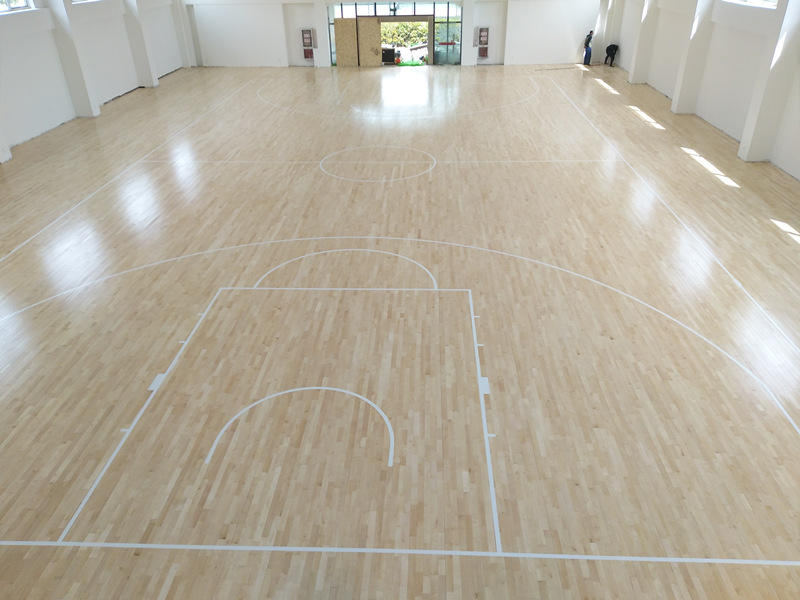
In recent years, there has been a growing awareness of the environmental impact of construction materials, including sports wood flooring. While wood is a renewable resource, the harvesting and processing of timber can have significant ecological consequences if not managed responsibly. However, the sports wood flooring industry has made great strides in adopting sustainable practices to minimize its environmental footprint.
One of the key sustainable practices in sports wood flooring is the use of certified wood. Certification programs, such as the Forest Stewardship Council (FSC), ensure that the wood used in flooring comes from responsibly managed forests that adhere to strict environmental, social, and economic standards. By choosing certified wood, sports facilities can support sustainable forestry practices and help protect biodiversity.
Another important aspect of sustainable sports wood flooring is the reduction of waste during the manufacturing process. Many manufacturers now employ advanced technologies and techniques to optimize material usage, minimizing offcuts and scrap. Additionally, some companies offer recycling programs for old or damaged wooden floors, allowing the wood to be repurposed or used as biomass fuel.
Furthermore, the energy efficiency of sports wood flooring should not be overlooked. Wood has natural insulating properties, which can help reduce heating and cooling costs in sports facilities. This not only lowers operational expenses but also contributes to a more sustainable and energy-efficient building.
In conclusion, while sports wood flooring does have an environmental impact, the industry is actively working to minimize its footprint through sustainable practices. By choosing certified wood, reducing waste, and promoting energy efficiency, sports facilities can enjoy the benefits of wooden floors while contributing to a more sustainable future.
Leave a Reply