

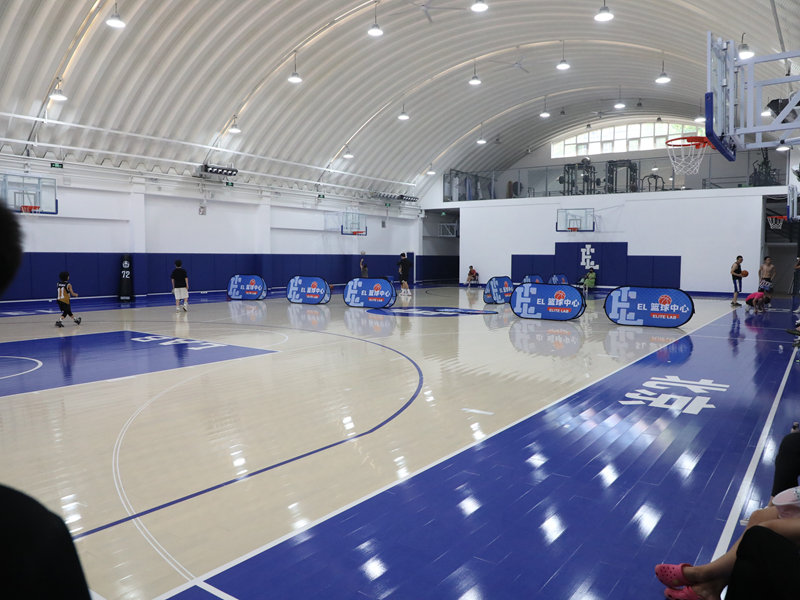
As the world becomes increasingly conscious of environmental issues, the sports industry is also taking steps to reduce its impact on the planet. Sports wood flooring, while offering numerous benefits for athletes and facilities, also has an environmental footprint that needs to be considered. However, by adopting sustainable practices, sports facilities can minimize their environmental impact while still enjoying the advantages of sports wood floors.
One of the primary environmental concerns associated with sports wood flooring is the sourcing of the wood itself. Deforestation and illegal logging are significant issues that contribute to habitat destruction, biodiversity loss, and climate change. To address this, sports facilities should prioritize sourcing wood from sustainably managed forests that follow responsible forestry practices. This ensures that the wood is harvested in a way that minimizes environmental impact and supports the long-term health of forest ecosystems.
Another aspect of sustainability in sports wood flooring is the use of eco-friendly finishes and adhesives. Traditional finishes and adhesives can contain harmful chemicals that can off-gas into the air, posing health risks for athletes and staff. By choosing low-VOC (volatile organic compound) finishes and adhesives, sports facilities can reduce their indoor air pollution and create a healthier environment for everyone.
In addition to sourcing and finishing, sports facilities can also adopt sustainable practices in the maintenance and disposal of their sports wood floors. Regular maintenance, such as cleaning and refinishing, can extend the life of the floor and reduce the need for frequent replacement. When it is time to replace the floor, facilities should consider recycling or repurposing the old wood to minimize waste.
Finally, sports facilities can also look for opportunities to offset their environmental impact by investing in renewable energy, reducing energy consumption, and promoting sustainable transportation options for athletes and staff. By taking a holistic approach to sustainability, sports facilities can minimize their environmental footprint while still providing high-quality sports wood floors for their athletes.
In conclusion, while sports wood flooring has an environmental impact, sports facilities can adopt sustainable practices to minimize this impact. By sourcing wood from sustainably managed forests, using eco-friendly finishes and adhesives, maintaining floors properly, and offsetting their environmental impact through other sustainable initiatives, sports facilities can create a more environmentally friendly environment for their athletes and staff.
Leave a Reply