

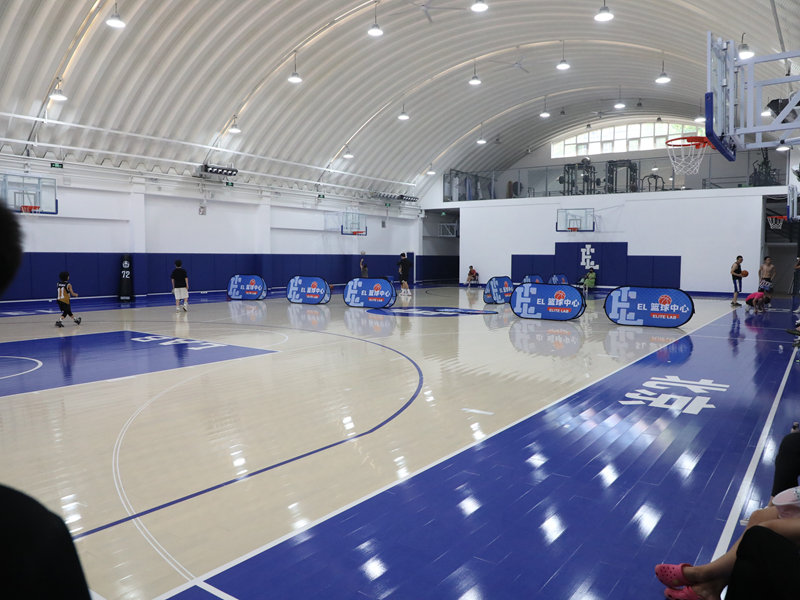
As the world becomes increasingly aware of the importance of sustainability and environmental responsibility, the sports industry is also taking steps to reduce its environmental impact. Sports wood flooring, while offering numerous benefits, also has an environmental footprint that needs to be considered. In this article, we will explore the environmental impact of sports wood flooring and discuss sustainable practices that can be adopted to minimize its impact.
Environmental Impact:
The production of sports wood flooring involves the harvesting of trees, which can have a significant impact on forests and ecosystems if not managed responsibly. Deforestation can lead to habitat loss, soil erosion, and a decrease in biodiversity. Additionally, the manufacturing process of sports wood flooring requires energy and resources, contributing to greenhouse gas emissions and pollution.
Sustainable Practices:
- Sourcing Sustainable Wood: One of the most important steps in reducing the environmental impact of sports wood flooring is to source wood from sustainably managed forests. Look for certifications such as the Forest Stewardship Council (FSC) or the Programme for the Endorsement of Forest Certification (PEFC), which ensure that the wood is harvested in a way that protects forests, wildlife, and the rights of indigenous people.
- Using Recycled or Reclaimed Wood: Another sustainable option is to use recycled or reclaimed wood for sports flooring. This wood has been salvaged from old buildings, furniture, or other sources and can be repurposed into new flooring. Using recycled or reclaimed wood reduces the demand for new wood, thereby conserving forests and reducing waste.
- Energy-Efficient Manufacturing: Manufacturers can also adopt energy-efficient practices in the production of sports wood flooring. This includes using renewable energy sources, optimizing production processes to reduce waste, and implementing recycling programs for scrap materials. By reducing energy consumption and waste, manufacturers can minimize their environmental impact.
- Longevity and Durability: Choosing high-quality, durable sports wood flooring can also contribute to sustainability. A floor that lasts for many years reduces the need for frequent replacements, thereby conserving resources and reducing waste. Regular maintenance and care, as discussed in previous articles, can help to extend the life of the floor and ensure its continued performance.
- End-of-Life Management: When sports wood flooring reaches the end of its useful life, it is important to manage it responsibly. This can include recycling the wood into new products, using it as fuel for biomass energy, or disposing of it in a landfill that is designed to minimize environmental impact. By planning for the end-of-life of the floor, facility managers can ensure that it is disposed of in an environmentally responsible manner.
In conclusion, while sports wood flooring has an environmental impact, there are numerous sustainable practices that can be adopted to minimize its effects. By sourcing sustainable wood, using recycled or reclaimed materials, adopting energy-efficient manufacturing processes, choosing durable products, and managing end-of-life responsibly, the sports industry can reduce its environmental footprint and contribute to a more sustainable future.
Leave a Reply