

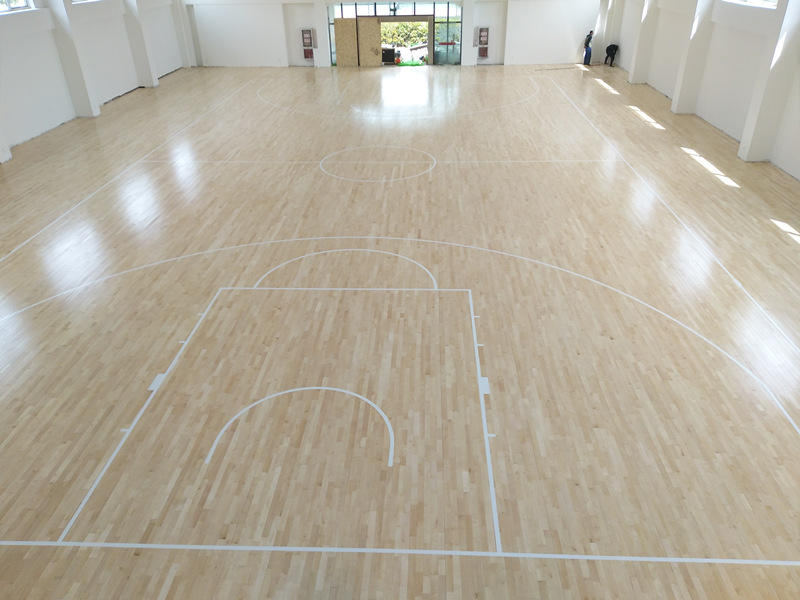
As the world becomes increasingly aware of the importance of sustainability, the sports industry is also taking steps to reduce its environmental impact. One area where this is particularly evident is in the choice of materials for sports flooring. Sports wood flooring, while offering numerous benefits for athletic performance, also has an environmental footprint that needs to be considered. However, with sustainable practices and responsible sourcing, the impact can be minimized.
The production of sports wood flooring involves the harvesting of trees, which can have a significant impact on forests and ecosystems if not managed responsibly. However, many manufacturers are now sourcing their wood from sustainably managed forests, where trees are replanted to replace those that are harvested. This ensures that the forest ecosystem remains intact and continues to provide habitat for wildlife and other ecosystem services.
In addition to responsible sourcing, manufacturers are also adopting sustainable production practices to reduce their environmental impact. This includes using energy-efficient machinery, reducing waste through recycling and reuse, and minimizing the use of harmful chemicals in the production process. By implementing these practices, manufacturers can reduce their carbon footprint and contribute to a more sustainable future.
Another aspect of sustainability in sports wood flooring is the use of recycled or reclaimed wood. Some manufacturers are now using wood from old buildings, bridges, or other structures that would otherwise be discarded. This not only reduces the demand for new wood but also gives new life to materials that would otherwise end up in landfills.
Furthermore, the durability and longevity of sports wood flooring also contribute to its sustainability. A well-maintained sports floor can last for decades, reducing the need for frequent replacements and the associated environmental impact. This is in contrast to some synthetic flooring options, which may need to be replaced more frequently and can be more difficult to recycle or dispose of responsibly.
In conclusion, while sports wood flooring does have an environmental impact, sustainable practices and responsible sourcing can help to minimize this. By choosing wood from sustainably managed forests, adopting sustainable production practices, using recycled or reclaimed wood, and investing in durable, long-lasting floors, the sports industry can contribute to a more sustainable future while still providing high-quality playing surfaces for athletes.
Leave a Reply