

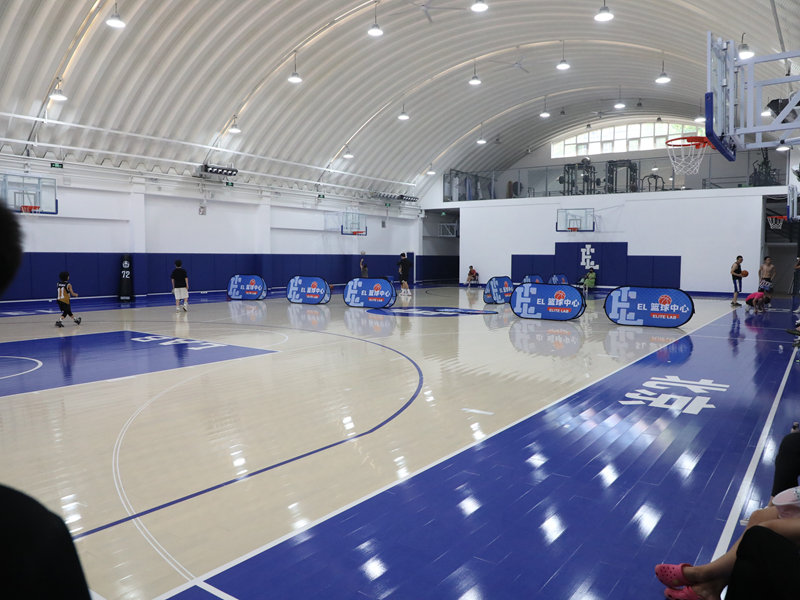
In today's world, environmental sustainability is a growing concern for businesses and consumers alike. Sports facilities are no exception, as they seek to reduce their environmental footprint and adopt more sustainable practices. Sports wood flooring, while offering numerous benefits for athletes and facilities, also has an environmental impact that must be considered. In this article, we will explore the environmental impact of sports wood flooring and discuss sustainable practices that can be adopted to minimize its negative effects.
Environmental Impact of Sports Wood Flooring:
The production of sports wood flooring involves the harvesting of trees, which can have a significant impact on forest ecosystems if not managed responsibly. Deforestation can lead to habitat loss, soil erosion, and a decrease in biodiversity, all of which can have far-reaching consequences for the environment. Additionally, the manufacturing process of sports wood flooring requires energy and resources, contributing to greenhouse gas emissions and other environmental pollutants.
Sustainable Practices in Sports Wood Flooring Production:
To minimize the environmental impact of sports wood flooring, manufacturers and facilities can adopt several sustainable practices:
- Use of Certified Sustainable Wood: Choose wood that is certified by reputable organizations, such as the Forest Stewardship Council (FSC), which ensures that the wood is harvested in a responsible and sustainable manner. This helps to promote forest conservation and reduce the risk of deforestation.
- Recycling and Reuse: Consider using recycled or reclaimed wood for sports wood flooring projects. This reduces the demand for new wood and helps to conserve natural resources. Additionally, when sports wood flooring reaches the end of its lifespan, it can be recycled or repurposed for other uses, further reducing waste.
- Energy-Efficient Manufacturing: Manufacturers can adopt energy-efficient technologies and practices in their production processes to reduce greenhouse gas emissions and other environmental pollutants. This may include using renewable energy sources, optimizing production lines to minimize waste, and implementing recycling programs for manufacturing byproducts.
- Low-VOC Coatings: Choose coatings for sports wood flooring that have low volatile organic compound (VOC) content. VOCs are chemicals that can be released into the air during the application and curing of coatings, contributing to indoor air pollution and potential health risks. Low-VOC coatings are safer for the environment and for the people who use the sports facility.
- Proper Maintenance and Care: Regular maintenance and care of sports wood flooring can extend its lifespan and reduce the need for frequent replacements. This helps to conserve natural resources and reduce waste. Additionally, proper maintenance can prevent damage to the floor that could lead to the release of harmful chemicals or particles into the environment.
Conclusion:
While sports wood flooring has an environmental impact, there are several sustainable practices that can be adopted to minimize its negative effects. By using certified sustainable wood, recycling and reusing materials, adopting energy-efficient manufacturing processes, choosing low-VOC coatings, and practicing proper maintenance and care, sports facilities can reduce their environmental footprint and contribute to a more sustainable future. By making informed choices about the materials and practices used in sports wood flooring projects, we can ensure that athletes have a safe and high-performance surface to compete on while also protecting the environment for future generations.
Leave a Reply