

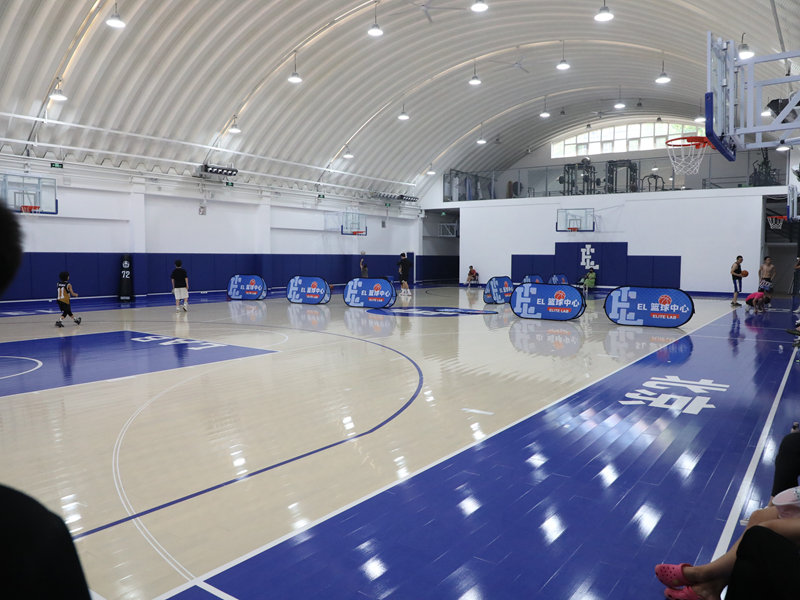
As the world becomes increasingly conscious of environmental issues, the sports industry is also taking steps to reduce its impact on the planet. One area where significant progress can be made is in the choice of sports wood flooring. By selecting sustainable and eco-friendly options, athletic facilities can contribute to a healthier planet while still providing a high-quality playing surface for athletes.
Traditional sports wood flooring is often made from hardwoods such as maple or oak, which can have a significant environmental impact due to deforestation and habitat destruction. However, there are now several sustainable options available that use recycled or reclaimed wood, as well as wood from certified sustainable forests. These options help to reduce the demand for new wood, preserving natural resources and protecting wildlife habitats.
In addition to using sustainable wood sources, manufacturers are also developing sports wood flooring systems that incorporate recycled materials into their construction. For example, some floors use recycled rubber or cork as shock absorption layers, reducing the need for virgin materials and diverting waste from landfills.
Another important aspect of sustainable sports wood flooring is its durability and longevity. By choosing a high-quality, well-maintained floor that lasts for many years, athletic facilities can reduce the need for frequent replacements, further minimizing their environmental impact.
Overall, the environmental impact of sports wood flooring can be significantly reduced by selecting sustainable options that use recycled or reclaimed wood, incorporate recycled materials into their construction, and offer long-lasting durability. By making these choices, athletic facilities can contribute to a more sustainable future while still providing a top-notch playing surface for athletes.
Leave a Reply