

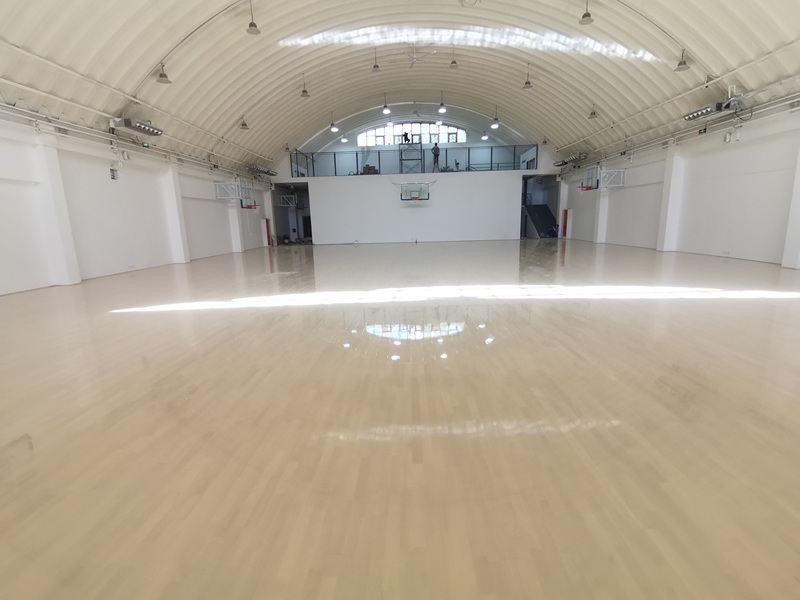
As the world becomes more environmentally conscious, the impact of sports wood flooring on the environment is coming under increased scrutiny. While wood is a renewable resource, the production and disposal of sports wood flooring can have significant environmental consequences if not managed properly.
One of the main environmental concerns associated with sports wood flooring is deforestation. The demand for high-quality wood can lead to the clearing of forests, which can have devastating effects on ecosystems and biodiversity. To mitigate this impact, many manufacturers are now sourcing wood from sustainably managed forests and using certified wood products.
Another environmental issue is the disposal of old or damaged sports wood flooring. If not recycled or repurposed, this flooring can end up in landfills, contributing to waste and pollution. To address this problem, some manufacturers are offering take-back programs and recycling initiatives to ensure that old flooring is properly disposed of or reused.
In addition to these concerns, the production of sports wood flooring also requires energy and resources, which can have an environmental impact. However, many manufacturers are now adopting more sustainable practices, such as using renewable energy sources and reducing waste in their production processes.
Leave a Reply